Why Central Asia is Unlike Anywhere Else You've Been
A Kyrgyz herder waves you over to his yurt. You're at 3,000 meters and horses are grazing everywhere. He pours kumis from a leather bag into a bowl. Through broken Russian and lots of gestures he explains the mare's milk fermentation. You take a sip. Sour and slightly alcoholic. Completely unlike anything back home. His grandfather drank this exact same thing. So did generations before that. Nomads in these mountains have been drinking fermented mare's milk for thousands of years.
This isn't some show put on for visitors. The guy is a working herder. This is just his daily life. You happened to pass by and he offered. Simple as that.
Nomadic Life That Never Stopped
Most places lost their nomadic cultures completely. Mongolia has some left. Bedouins in North Africa hold onto pieces. Central Asia is different. The nomadic lifestyle here didn't turn into museum exhibits. Large chunks of the population still live this way. Actually live it.
Summer in Kyrgyz mountains means yurt camps everywhere you look. Real families who packed up in May or June and moved to high pastures with their livestock. Sheep, horses, cattle. They stay until September or October. Snow starts falling and they move back down. Been doing this forever.
Why? Because livestock needs different grazing areas by season. You move where the animals need to be. Makes economic sense. Always has.
There's a herder near Song-Kol who lives in a yurt for four months every year. Rest of the time he's got a house in a village. His kids go to school there in winter. Summer they're up in the mountains learning the work. He's not struggling between two worlds. Both are just part of his life.
This shapes everything about how society works here. Being semi-nomadic is normal. Houses sit empty half the year. Families split up by season. People are comfortable moving around in ways that would freak out folks from settled cultures. And that flexibility? It extends to how they treat strangers. Hospitality isn't some cute tradition from the old days. It's a survival strategy that still matters.
You won't find this anywhere else. Getting to nomads in Mongolia takes serious planning. Bedouins deal with borders and conflicts. Central Asian nomads are just there when you're driving through. Their lifestyle isn't a dying culture being preserved with government money. It's a system that works so it keeps going.
Food You've Never Seen Before
Picture this. You're at a Kazakh family feast sitting on the floor around a low table. Someone brings out beshbarmak on a massive platter. Boiled horse meat piled over flat noodles. The name literally translates to "five fingers" because eating with your hands is how it's done.
Horse meat. That's Kazakhstan's main dish. Not lamb. Not beef. Horse.
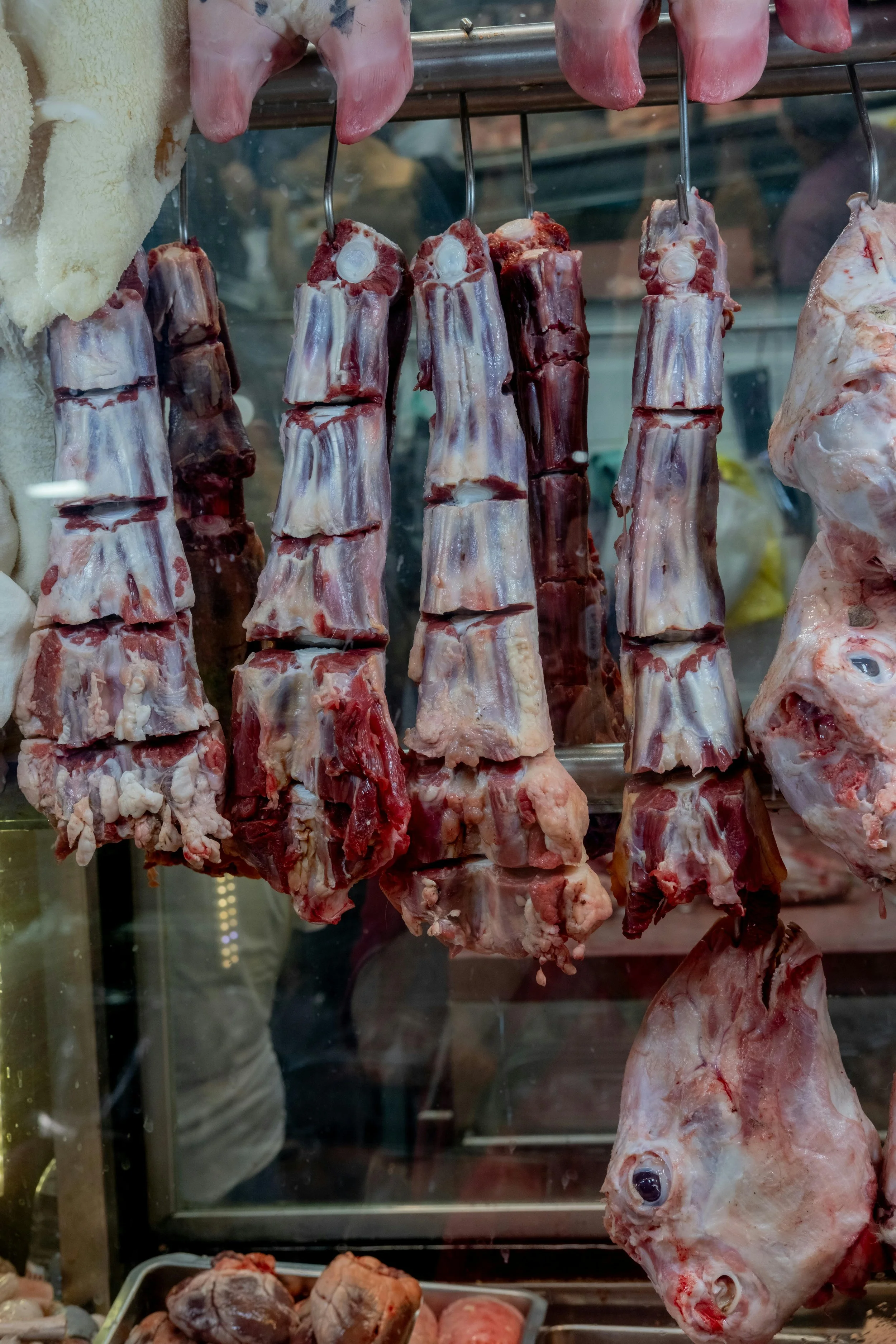
People here eat horses regularly and don't think twice. Normal protein in everyday meals. Herders need horses for riding and for milk. Eventually those horses become food too. The meat gets turned into kazy sausages. Smoked, dried, stuffed with fat. Winter food that kept people alive through brutal cold for centuries.
Go ahead and tell your friends at home you ate horse. Watch their faces. Meanwhile here it's just what's for dinner on a random Tuesday.
Nomadic peoples ate what they herded. Sheep, goats, cattle, horses. Everything was a potential food source. Still is.
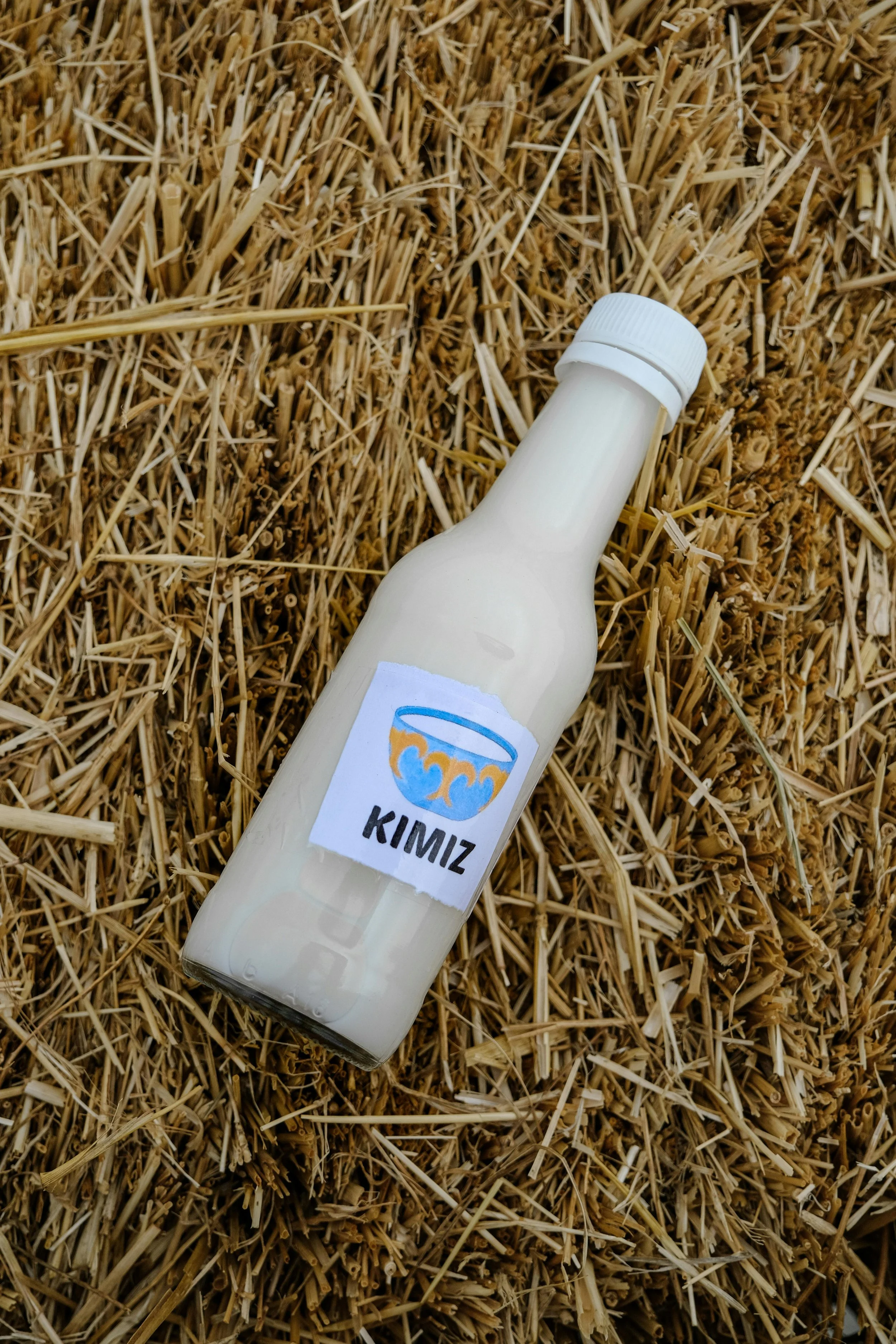
Then there's kumis. Fermented mare's milk that's sour and slightly alcoholic. Kyrgyz and Kazakhs have been drinking it for thousands of years. Gets made in summer when mares are producing milk. Nutritious stuff. Probiotic. You basically can't get it anywhere except here and Mongolia.
When a family offers kumis you're supposed to drink at least some. Refusing completely is rude. The first taste is shocking. Sour fizzy milk with a bit of alcohol. But you're drinking something Scythian nomads had 2,500 years ago on these exact same steppes.
Think about food that supposedly represents other places. Italian cuisine is everywhere now. Thai food in every city. Japanese restaurants all over. Central Asian food never exported like that. Too connected to the nomadic lifestyle. Can't replicate it elsewhere without changing what it is. Kumis needs mares and fermentation knowledge and people being okay with drinking horse milk. Kazy needs horse meat and specific smoking methods. Beshbarmak needs you to be comfortable with fatty boiled meat eaten by hand.
The food tells you right away this place operates differently. Not just weird ingredients. Entire food tradition built around nomadic survival needs. Preserving food for winter. Fermenting dairy when fresh food was scarce. Heavy meat for energy in harsh climate. Every dish connects directly to a lifestyle that basically doesn't exist elsewhere anymore.
So Much Empty Space
Kazakhstan is the world's ninth largest country. But only 7 people per square kilometer live there. Kyrgyzstan has mountain ranges where nobody lives for hundreds of kilometers in any direction. That kind of emptiness creates freedom you simply won't find in crowded places.
Want to camp somewhere? Just do it. Pick a spot and set up your tent. Huge stretches of land have no owner. No fences marking boundaries. No keep out signs. Steppes and mountains belong to whoever's using them at the moment. That's nomadic thinking about land still in practice. Land isn't something you own exclusively. It's space for moving through and using temporarily.
Your driver suddenly leaves the road to reach some mountain lake his dad showed him years ago. No asking permission from anyone. The idea doesn't even come up. You go where your vehicle can reach. Long as you're not messing with someone's livestock or breaking things you're good.
People from dense countries find this shocking. Every square meter in Europe belongs to someone and has rules attached. You can't just camp wherever you want. Land is owned and controlled. Here? Vast areas with no owner and basically no regulations besides common sense.
Emptiness does something to people's psychology too. Nomadic peoples used to cross huge distances without seeing anyone for days. Created a different relationship with space and being alone. Empty horizons aren't scary. Being alone isn't depressing. The wide open landscape feels right.
One Kazakh friend explained it like Europeans get uncomfortable when they can't see buildings. Need to know other people are nearby. "We grew up with nothing visible for hours in every direction. That emptiness feels like home to us."
This shows up in how people interact socially too. They give you breathing room. Hospitable for sure but never pushy or clingy. They understand sometimes you want quiet and distance. The culture that created strong hospitality traditions also respects personal space and solitude. Both come from nomadic life where meeting other people was rare and valuable but empty space was everywhere.
History You Can Walk Through
The Silk Road wasn't some abstract concept on old maps. Real roads connected China to Europe through Central Asia for over a thousand years. You can still see that history.
Caravanserais are standing in mountain passes right now. Tash Rabat in Kyrgyzstan was where merchants stopped overnight. Stone building at 3,200 meters where traders sheltered from weather and bandits. You can walk through those same rooms they used 500 years ago. Even sleep there. The past isn't locked behind glass in a museum. It's a physical place you can be in.
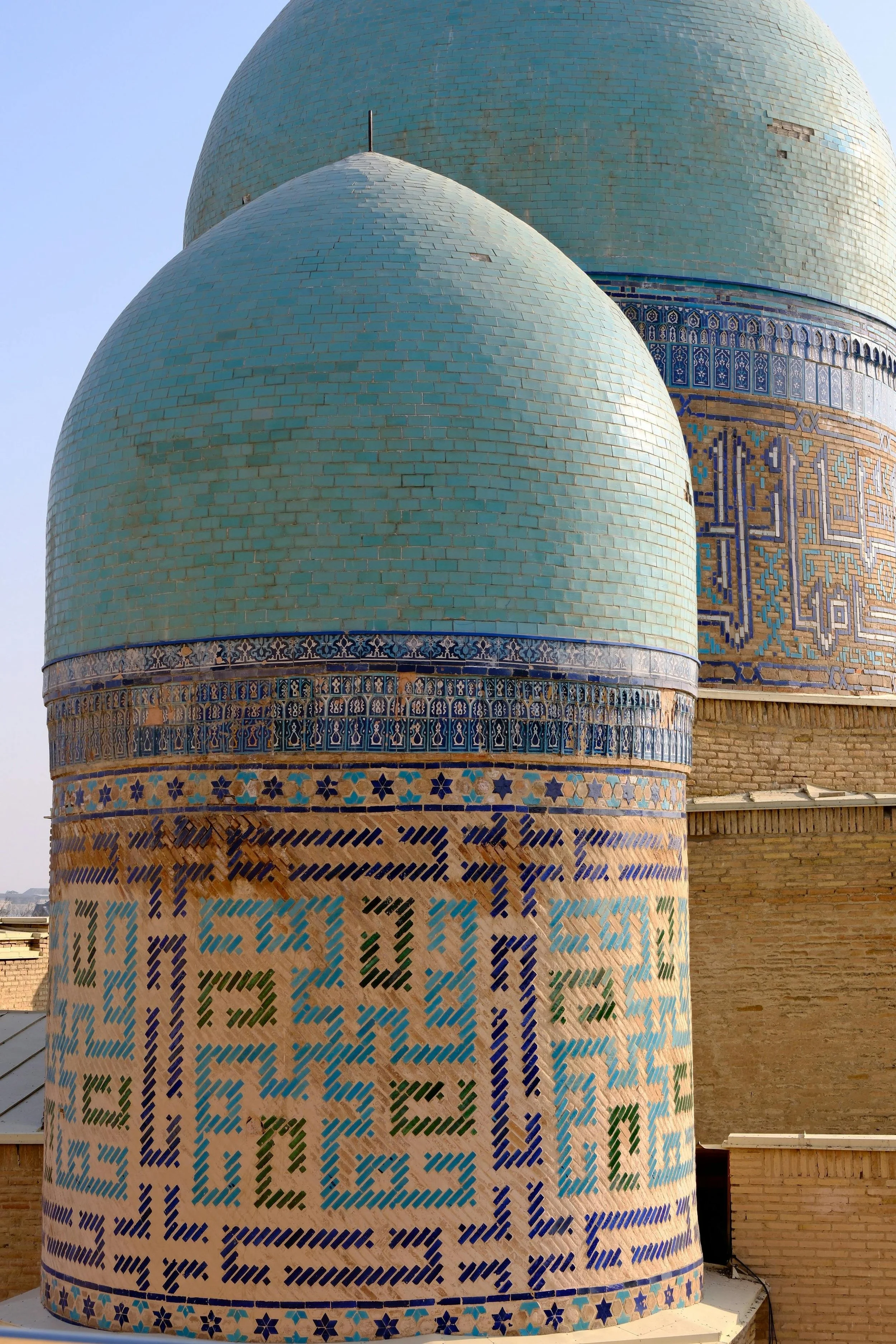
Samarkand and Bukhara have buildings from when they were major centers of Islamic learning and Silk Road trade. Not minor outpost towns. These were world-class cities while London was still small. Registan Square rivals anything you'll see in Istanbul or Cairo. The architecture proves how wealthy and important Central Asia was back then.
But history isn't just old buildings. It's in how people live. Uzbeks mostly come from settled Silk Road traders and farmers. Kyrgyz and Kazakhs come from nomadic peoples who controlled the steppes. Not ancient distant ancestors. The cultural split between settled and nomadic is still visible and matters today.
Uzbek families in Fergana Valley have farmed the same land for generations. They build permanent houses and run established businesses. Kyrgyz families move seasonally following patterns that go back centuries. Two completely different approaches shaped by what their ancestors did long ago. You're watching thousand-year-old systems still working.
History here also includes massive conquest. Genghis Khan and his descendants ruled Central Asia. The Mongol Empire went from China to Eastern Europe with Central Asia right in the middle. Evidence is everywhere if you look.
Fortresses built during Mongol rule still stand in mountain passes. The Gur-e-Amir mausoleum in Samarkand holds Timur's tomb, a direct descendant of Genghis Khan who built an empire from these same Central Asian bases. Architectural styles shifted during Mongol rule, blending Central Asian, Persian and Chinese influences in ways you can still see in medieval structures.
Cultural practices carry Mongol influence too. The emphasis on horsemanship and archery as essential skills traces back to Mongol military culture. Eagle hunting, still practiced in Kazakhstan and Kyrgyzstan, was a Mongol aristocratic tradition. The structure of hospitality, where refusing a guest is unthinkable, was enforced throughout the Mongol Empire and became deeply embedded in Central Asian culture. Even the practice of drinking fermented mare's milk goes back to Mongol times and earlier steppe peoples. The yurt itself, the portable round dwelling nomads still use, follows designs perfected under Mongol rule for maximum mobility and efficiency.
Then Soviet rule from the 1920s through 1991 left huge marks. Soviet buildings fill the cities. Soviet infrastructure barely works but it's still there. Soviet ways of thinking still affect how things function. Walk through any Central Asian city and you'll see layers stacked on top of each other. Ancient Silk Road ruins. Medieval Islamic architecture. Buildings from when Russia controlled things. Soviet concrete apartment blocks. All coexisting messily.
Corruption operates through Soviet-era networks that never went away. People still expect to give bribes or gifts to get things done because that's how the Soviet system actually worked beneath official rules. The obsession with paperwork and stamps and official documents comes directly from Soviet bureaucracy. Distrust of government institutions persists because Soviet authorities couldn't be trusted. The expectation that state jobs should provide stability even when they don't pay well is Soviet thinking. So is the assumption that rules exist to be worked around rather than followed. The way people form tight personal networks for survival, treating friends and family connections as more reliable than any institution, developed under Soviet rule and continues today.
This layered visible history creates depth you won't find where the past got either wiped out or turned into sanitized tourist sites. Central Asia's history is messy and contradictory and actively shapes what's happening right now. You're not looking at historical sites separated from real life. You're seeing how different time periods all influence things at the same time.
Shepherding That Actually Pays
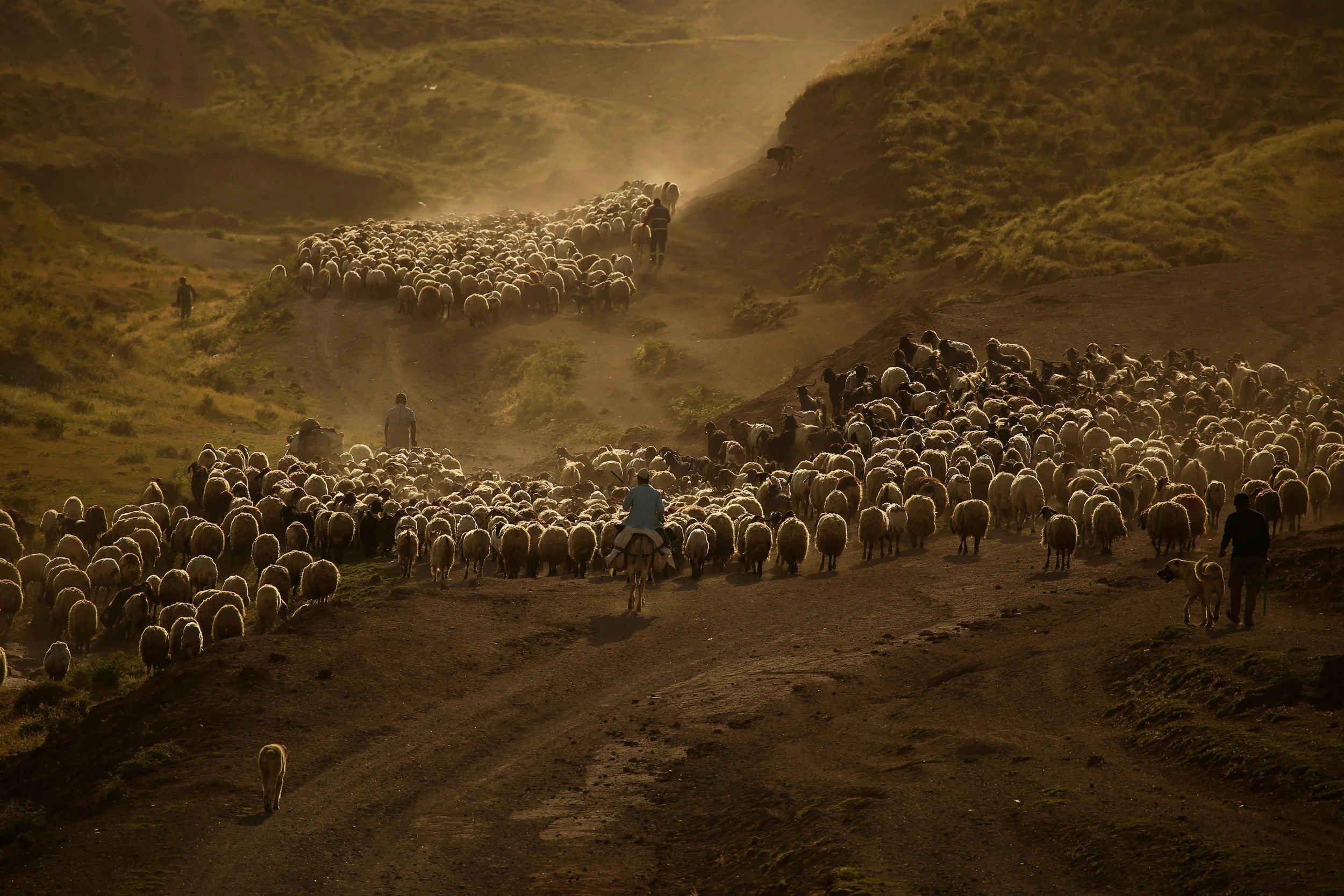
A young Kyrgyz guy in his twenties works as a shepherd. Not because school didn't work out or he had no other options. He chose it. He owns 300 sheep. Rents summer pastures from the government. Makes cheese to sell. His brother is an engineer in Bishkek. They both went to similar schools. Just made different choices.
This probably sounds impossible if you're from a developed country. Shepherding there is either a hobby for rich farmers or desperate work for people with no alternatives. Here it's a legit career. A successful herder with a healthy flock makes decent money. Not rich but stable. Respected too, especially in rural areas.
Being good at herding takes real skills that take years to develop. Understanding how animals behave and what keeps them healthy. Reading terrain and predicting weather. Managing breeding programs. Finding the best pasture. Protecting against predators and thieves. Knowledge passed down through families and constantly adjusted for modern tools and conditions.
Modern shepherds sometimes ride motorcycles instead of horses. They carry smartphones and check weather apps. Solar panels charge batteries for lights and communication. But the core work stays the same as it's been for thousands of years. Move animals where they need to graze. Keep them safe. Turn grass into meat and milk.
You run into shepherds all the time traveling through rural areas. They're not hidden away somewhere remote. They move herds across highways and everyone just waits. They camp near popular trekking routes. They come into towns regularly for supplies. The whole pastoral economy is visible and active.
This creates experiences you literally can't have in the developed world. Watching a shepherd move a thousand sheep down a major road. Drinking fresh sheep milk at a camp. Meeting someone your age living a lifestyle your own ancestors gave up eight or ten generations back. Shows that alternative ways of life didn't just barely survive. They're doing fine on their own terms.
Cultural Mix That Doesn't Exist Elsewhere
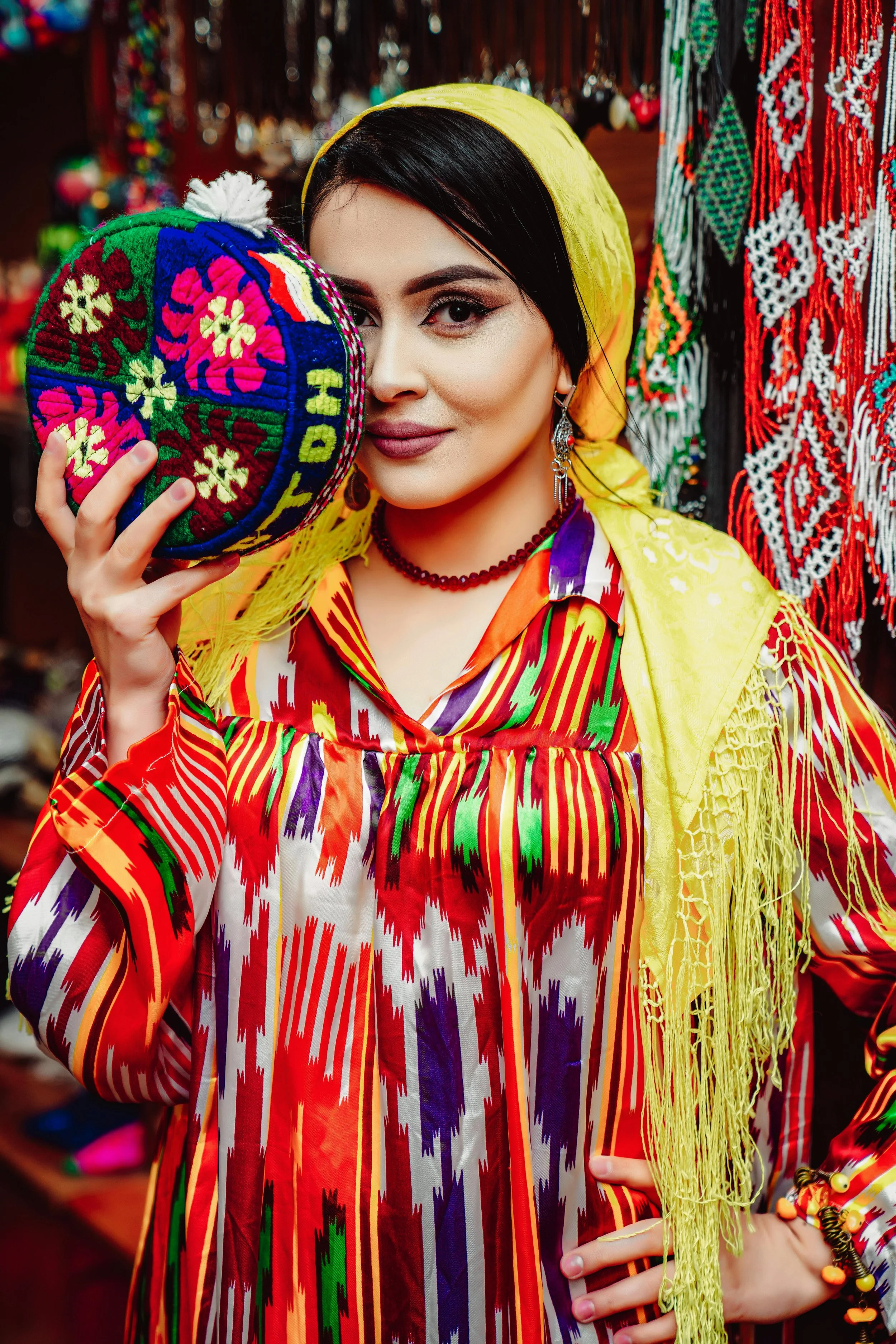
A businesswoman in Bishkek runs a tech startup. She goes to the mosque every once in a while, mostly during Ramadan or special occasions. She drinks vodka when socializing. Sometimes she dresses conservatively other times in a modern western style. Speaks Russian, Kyrgyz and English fluently. Spent childhood summers living in yurts helping her family tend animals.
This mixture only exists in Central Asia. Soviet secularism mixing with Islamic revival mixing with nomadic traditions mixing with modern globalization. The contradictions don't feel contradictory here because they're all real parts of who people are.
Mosques rebuilt after Soviet times stand right next to Soviet monuments that nobody bothered taking down. Friday prayers happen regularly. So do vodka toasts at celebrations. How women dress and what they do varies wildly depending on family, location and personal choice. Some follow conservative Islamic practice. Others are totally secular. Both are completely normal.
The nomadic heritage adds yet another layer to all this. Nomadic cultures historically were more equal between genders than settled societies. Women did crucial work managing camps while men were away with herds for long stretches. Created different baseline dynamics than settled Islamic societies where women's roles got more limited over time.
Soviet rule forced everyone to get education and work regardless of gender. Opened up opportunities for women dramatically in one generation. After the Soviet collapse some areas got more religiously conservative but those changes mostly stuck. Women work in every profession now. Doctors, teachers, business owners, taxi drivers, mountain guides. Nothing is just for men anymore.
Kazakh guide said her grandmother herded animals right alongside her grandfather. Her mom became a Soviet engineer and helped build dams. Her sister wears a hijab by choice and runs a tech startup. "We're all Kazakh. All Muslim. All modern. No contradiction exists for us because this is just who we are."
Central Asia is post-Soviet and Islamic and post-nomadic and rapidly modernizing all at the same time. All those identities coexist and create something genuinely unique.
Other Muslim places don't have Soviet history. Other post-Soviet places don't have nomadic backgrounds. Other peoples with nomadic heritage don't have Islamic identity. Only here do all these specific things combine this particular way.
What Makes Travel Here Feel Different
Travel in Central Asia feels genuinely adventurous because you're experiencing something fundamentally unlike other places you've been.
You're drinking fermented horse milk with actual working nomads. Camping freely in empty spaces most countries lost ages ago. Eating horse meat like it's completely normal everyday food. Meeting shepherds your own age living lifestyles that disappeared from your country centuries back. Moving through Islamic societies shaped by Soviet rule and nomadic flexibility. Standing in cities that were global centers when your ancestors lived in mud huts.
This combination doesn't exist anywhere else. That makes it an adventure because your normal reference points don't work. You have to figure out Central Asia on its own terms.
The challenges you face matter because they're real parts of how things work in places keeping nomadic values alive while dealing with post-Soviet reality in huge underpopulated landscapes. The difficulties aren't manufactured obstacles designed for adventure tourists. They're just natural results of traveling through societies genuinely different from the modern developed world.
A traveler who spent a whole summer working on Kyrgyz farms said he thought he understood nomadic culture from reading books. He was completely wrong. "You can't understand it from books or videos. You have to drink kumis in someone's yurt and help move animals to summer pasture and sleep under stars in total emptiness and accept hospitality from people living exactly how their ancestors did for thousands of years. Only after actually doing all that does it finally click. This isn't history or a museum display. It's an alternative present that works on completely different principles from everything you grew up knowing."
That's what makes travel here an adventure. Not the specific hard parts or discomforts. The discovery that dramatically different ways of living still exist and work fine in the modern world. Central Asia doesn't just look different from home. It operates on fundamentally different principles. Figuring that out and navigating it successfully turns regular tourism into genuine adventure.