How is the Tourism Industry Contributing to Development in Kyrgyzstan?
Drive through any Kyrgyz village near tourist routes and you'll spot the signs. Literally. Hand-painted guesthouse advertisements in broken English. New extensions added onto traditional houses. Families sitting outside yurts waiting for the next group of travelers to arrive. Tourism isn't transforming Kyrgyzstan overnight but it's changing the economic equation in places that desperately need options.
The Ripple Effect Nobody Planned
What makes tourism different from Kyrgyzstan's other money sources is how it spreads. Gold mining concentrates wealth in company hands and specific regions. Remittances from Russia go to individual families but create zero local jobs. Agriculture keeps people fed but rarely generates the cash needed for anything beyond survival.
Tourism money moves differently. A guesthouse needs vegetables so the farmer next door has a customer willing to pay more than market rates. That guesthouse needs a driver so someone in the village buys a vehicle. They need horses so herders discover their animals are worth more alive and working than slaughtered for meat. One family hosting tourists creates economic activity for half a dozen others.
This wasn't planned by economists or development agencies. It just happened organically as tourism grew. The multiplier effects now keep entire village economies functioning during the short summer season when tourists actually show up.
When Switzerland Accidentally Started Something
In 2000 Helvetas, a Swiss development agency, helped Kochkor village organize the first Community-Based Tourism group. The idea was simple. Connect local families directly with tourists instead of having all money flow through Bishkek tour operators and foreign-owned hotels.
It worked better than expected. Within three years enough villages wanted in that they formed the Kyrgyz Community Based Tourism Association to coordinate everything. Now CBT groups operate all across the country with 15 to 17 regional offices spread throughout Kyrgyzstan.
Here's how it actually works. CBT offices connect tourists with guesthouses, horse rentals and guides. They take a small commission on bookings. The families providing services get most of the money directly.
Bishkek tour agencies often work directly with guesthouses and suppliers rather than going through CBT. CBT's main advantage is they're deeply connected to village communities. They have detailed information about local services especially if you're booking somewhere for the first time.
The model is straightforward. Use what already exists: spare rooms, cooking skills, knowledge of local trails and hospitality traditions that run deep in Kyrgyz culture. No massive capital requirements. No foreign expertise needed.
What started as one village experiment is now a significant part of rural tourism infrastructure throughout Kyrgyzstan. Not because the government mandated it but because it solved real problems for both tourists wanting authentic experiences and families needing income.
What Tourism Development Actually Requires
Apple Hostel in Bishkek shows what tourism development demands from local people. The property started as Transit Hotel, built by a family's grandfather in the mid-1990s. When two sisters bought it in 2006, they had to sell their apartments and the family car, then borrow the rest from their grandfather just to afford it.
The building needed investment they couldn't provide immediately. So they rented it out and moved to a village for several years to save money. When they finally took over operations, the entire family lived on the first floor, taking shifts to let guests in and moving between rooms based on what got booked.
This level of sacrifice is what makes tourism work in Kyrgyzstan. Families don't have access to business loans or venture capital. They risk everything they own. They reinvest every som of profit back into improvements rather than taking income for themselves. The sisters upgraded rooms gradually, converted the sauna into guest space and slowly shifted from local to western clientele.
Apple Hostel now runs 12 rooms and has become one of Central Asia's most popular backpacker hostels. The family also operates Apricot Adventures. But the path there required the kind of financial risk and personal sacrifice that would be unrealistic to expect in countries with better access to capital.
This is why tourism development in Kyrgyzstan looks different than in wealthier countries. It's not funded by investors or government programs. It's built by local people willing to bet everything on properties nobody else wants, then work for years before seeing returns.
The Jobs You Can't Count
Official employment numbers for tourism miss most of what's actually happening. They count hotel workers but not the woman selling felt products to tourists. They count registered guides but not the herder getting paid to let visitors ride his horses. They count restaurant staff but not the farmer supplying fresh vegetables to guesthouses.
The informal tourism economy in Kyrgyzstan is massive and largely invisible to statisticians. Drive through Bokonbayevo during summer and half the village seems involved somehow. Someone's cooking, someone's driving, someone's guiding, someone's renting horses and someone's selling crafts. These aren't formal jobs with contracts and benefits but they're real income in a place where formal employment barely exists.
Women especially found opportunities they didn't have before. Homestay work, cooking for guests, organizing cultural demonstrations and selling handicrafts create income streams that belong to women rather than being controlled by men. In conservative rural areas where women's economic participation was limited this shift matters for household dynamics and women's autonomy.
Why Villages Stop Emptying
The most important impact of tourism might be the most invisible: people staying put instead of leaving.
For decades rural Kyrgyzstan has been hemorrhaging population. Young people grow up, realize there's no work beyond subsistence farming and head to Bishkek or Russia. Villages get older, emptier and more economically hopeless. It's a vicious cycle that was killing rural communities.
Tourism interrupts this cycle. A family that can earn meaningful money hosting tourists for two or three summer months suddenly has reason to stay. They're still farming and herding but tourism income tips the balance from "we have to leave" to "we can make it work here."
The math is simple. Hosting a few tourist groups per summer brings in more cash than a year of selling vegetables at local markets. That cash pays for school supplies, medical care and the expenses that farming income doesn't cover. It's not prosperity but it's enough to stay.
Villages with active tourism participation show noticeably less population decline than comparable villages without it. Young people who get trained as guides or work in guesthouses stick around. Some even come back after trying city life because they see viable futures at home.
Cultural Preservation By Accident
Nobody set out to preserve Kyrgyz nomadic culture through tourism. It just happened as side effect of economic incentives aligning with traditional practices.
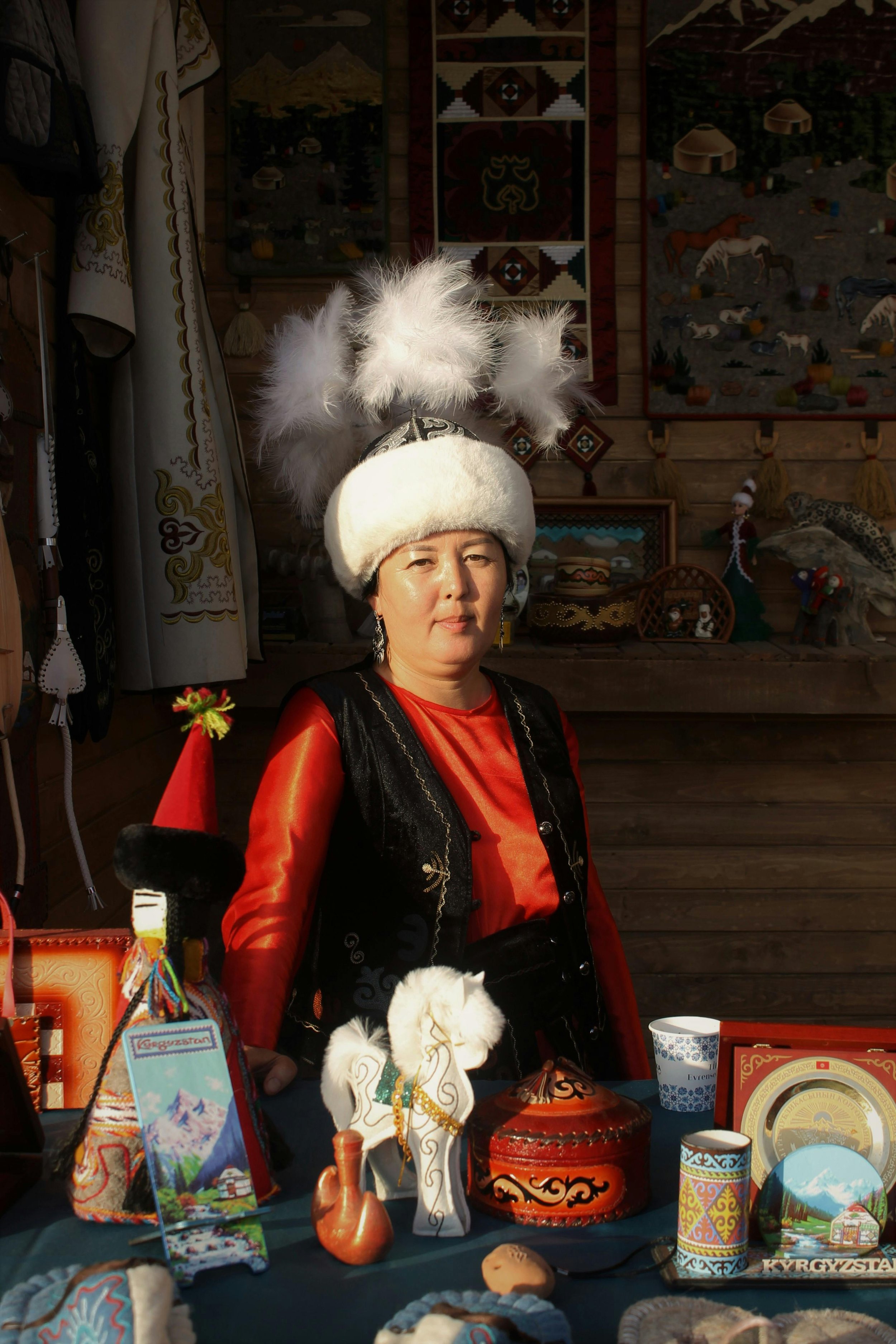
Felt-making was dying out because why spend hours making traditional shyrdak rugs when factory products are cheaper and young people don't care? Then tourists started paying good money for authentic felt work. Suddenly grandmothers teaching granddaughters the craft makes economic sense. The tradition survives because it became profitable.
Same with horse games, traditional music, yurt-making and dozens of other cultural practices. They were fading because modern life made them irrelevant. Tourism created markets for traditional skills and knowledge. Now families maintain these practices not just for cultural identity but for income.
The irony is tourism, which often gets blamed for destroying authentic cultures, might be what saves Kyrgyz nomadic traditions from disappearing entirely. The economic value tourism creates around these practices gives families concrete reasons to preserve and pass them down.
Infrastructure Gets Dragged Along
Tourism forces infrastructure improvements that benefit everyone, not just visitors. A guesthouse needs reliable electricity. That means the whole village gets better electrical service because nobody's running separate lines. Tourists need decent roads to reach remote areas. Those roads also help locals get to markets and hospitals faster.
The improvements are slow and uneven. Some areas benefit while others get ignored. But the political calculus changes when tourism money is involved. Politicians who wouldn't fix a road for local farmers suddenly find a budget when that same road brings tourists who spend money in their district.
Issyk-Kul region's infrastructure has improved noticeably over the past decade partly because the beach tourism there generates enough economic activity that maintaining roads and services becomes politically important. It's not altruism. It's economics creating pressure for development that poor farmers alone couldn't generate.
The Challenges Nobody's Solving
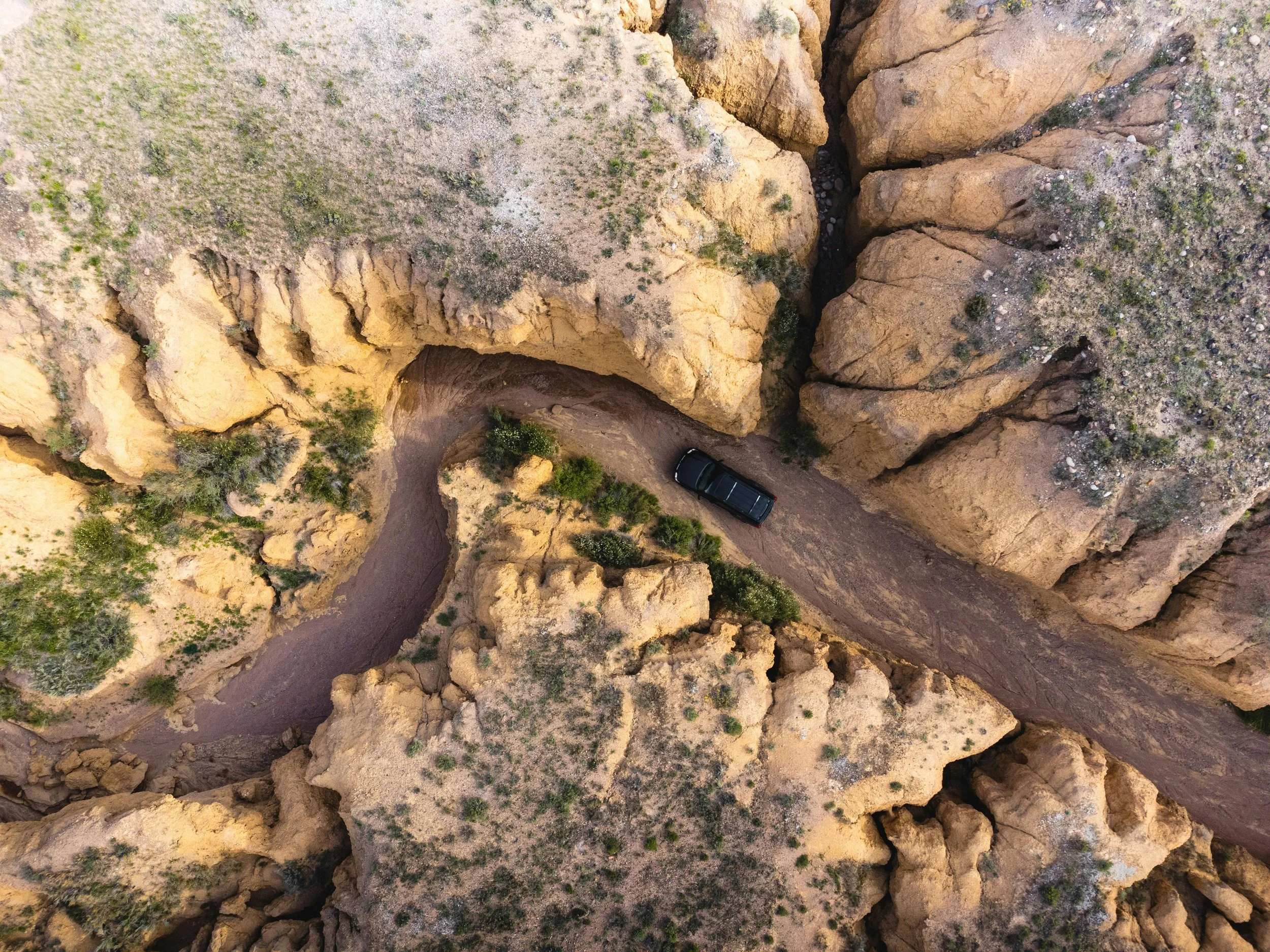
Infrastructure remains terrible in many places. The Bishkek to Osh highway, Kyrgyzstan's main artery, takes 10 to 12 hours to cover 672 kilometers because it winds through mountain passes on roads that range from okay to awful. Secondary roads to tourism destinations are often worse. This limits which places can realistically attract tourists and how many visitors will tolerate the journey.
Service quality varies wildly. Some guesthouses and guides are excellent. Others are mediocre to dangerous. There's no real quality control or certification that means anything. Tourists gamble every time they book something. This caps growth because word spreads when visitors have bad experiences.
Marketing is weak, bordering on nonexistent. Uzbekistan promotes itself aggressively. Mongolia has good branding. Kyrgyzstan relies almost entirely on word of mouth and tourists stumbling across it while researching neighbors. The country undersells itself dramatically.
Seasonality creates boom and bust cycles. Two months of summer tourism followed by ten months of nothing doesn't build sustainable businesses. Winter tourism potential exists but remains largely untapped. Ski resorts operate but attract mostly domestic tourists. International winter visitors are rare.
Environmental pressures are building in popular areas. Song-Kol gets hammered during July and August. Garbage piles up. Trails erode. Without management the tourism that's helping villages economically could destroy the landscapes attracting visitors in the first place.
What This Actually Looks Like
In Kochkor families that were barely scraping by twenty years ago now have multi-room guesthouses with hot showers and decent kitchens. They're not wealthy but they're stable. Kids go to university in Bishkek and come back to work in family tourism businesses instead of migrating permanently.
In Bokonbayevo eagle hunters who used to demonstrate their skills for free at festivals now charge tourists for experiences and earn meaningful income from traditional practices. Their sons are learning eagle hunting because it's economically viable now, not just cultural tradition.
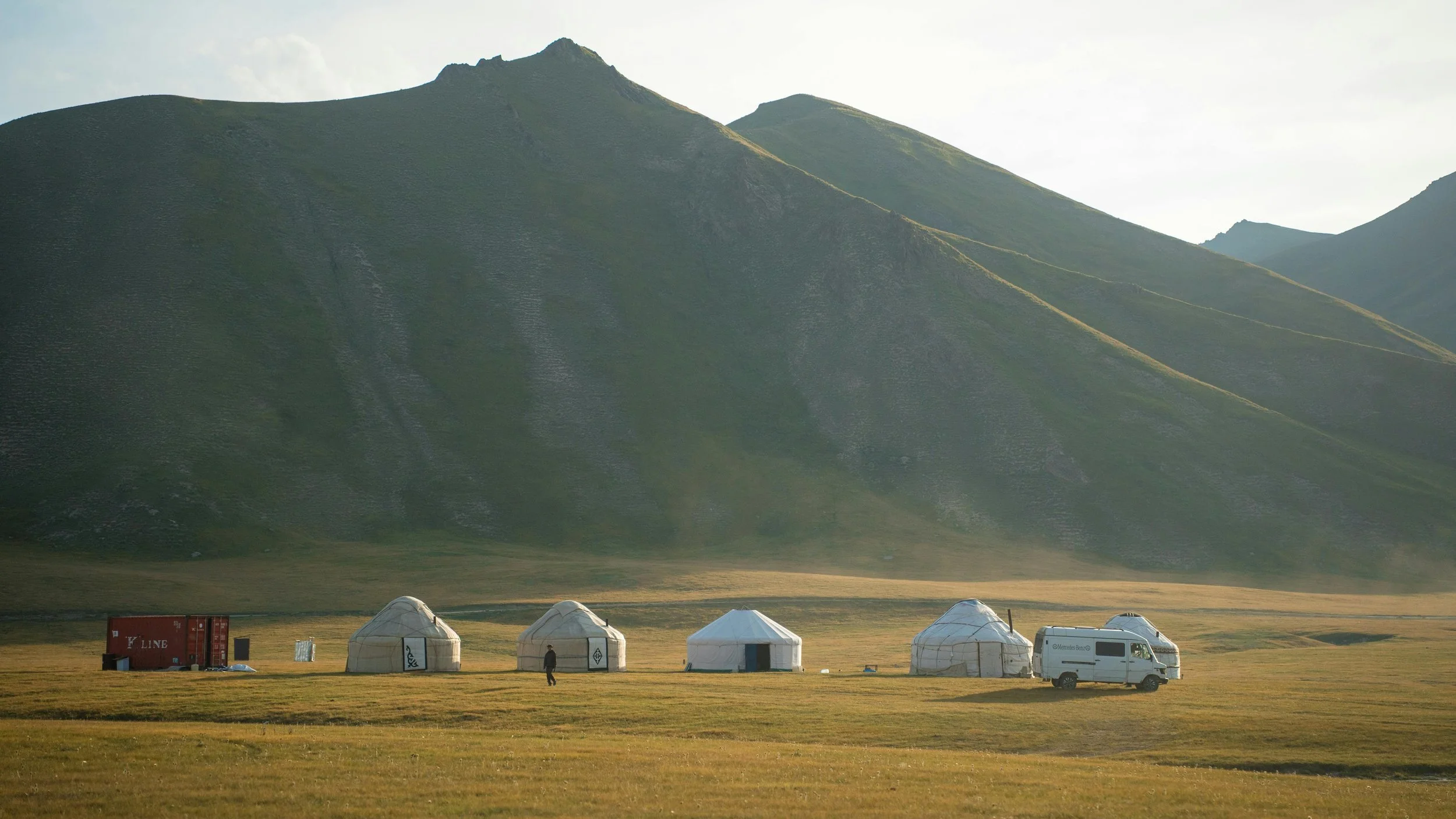
Around Song-Kol herding families that used to live at bare subsistence now operate yurt camps that bring in significant cash during summer. They still herd traditionally but tourism supplements herding income enough to buy solar panels, satellite phones and other improvements to difficult nomadic life.
In Bishkek, Apple Hostel shows what's possible when a family commits to quality and takes risks. From a run down hotel to 12 rooms and multiple awards. The owner still greets guests personally every morning. It's a family business that grew into one of the region's best hotels.
These aren't dramatic transformations. Not everyone's getting rich. But families are staying in their villages, maintaining traditions and finding ways to participate in the cash economy without abandoning rural life entirely. For development that's arguably more sustainable than dramatic changes that destroy traditional livelihoods.
The Bigger Picture
Tourism contributes to Kyrgyzstan's development through economic diversification in rural areas that desperately need it. It's not the answer to all problems. The country needs multiple development strategies across sectors. But tourism works with what Kyrgyzstan actually has: stunning landscapes, living nomadic culture and hospitality traditions.
The development is messy, uneven and far from complete. Many villages see no tourism at all. Others get overwhelmed during peak season. Quality varies. Challenges remain unsolved. But compared to the economic stagnation and rural decline that defined post-Soviet Kyrgyzstan for two decades tourism represents forward movement.
Walk through villages participating in tourism networks and the difference is visible. People are staying instead of leaving. Traditional practices are being maintained instead of forgotten. Money is circulating locally instead of only flowing to cities or abroad. Infrastructure is slowly improving instead of continuing to decay.
It's not transformation. It's gradual improvement. For rural Kyrgyzstan that's significant progress.