Germans in Central Asia
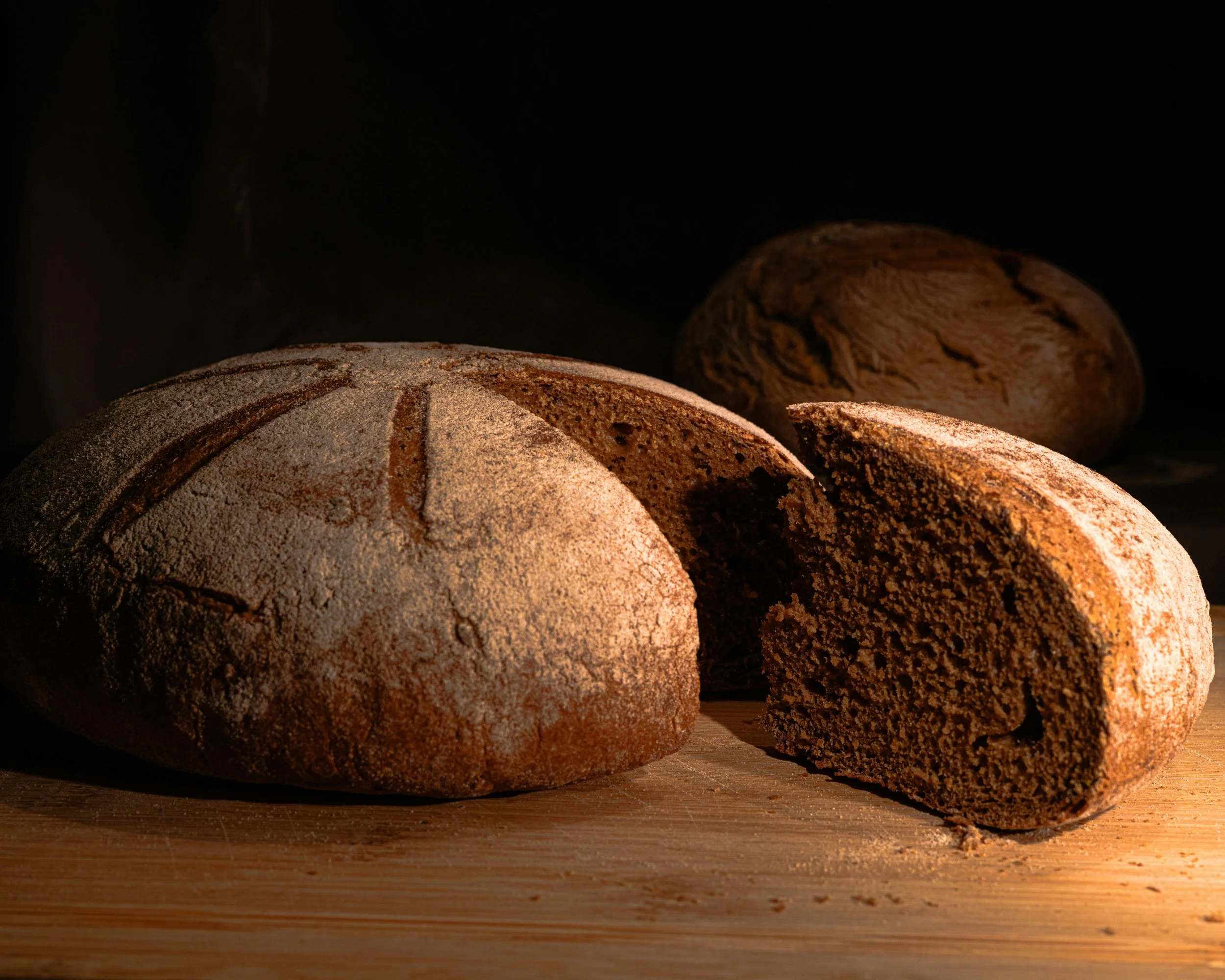
There's a bakery in Almaty where the rye bread tastes like it came straight from a German village. Dark, dense and sour enough to pucker your mouth. The woman who runs it learned the recipe from her grandmother who learned it from hers. None of them have seen Germany.
Kazakhstan is home to about 180,000 Germans today. Russian is what most people speak at home. Many can't speak German at all. But ask them what they are and they won't hesitate to answer German.
Stalin's Train Rides
Catherine the Great brought their ancestors to Russia in the 1760s with promises of free land and religious freedom. Volga Germans farmed the steppe for almost 180 years without much trouble.
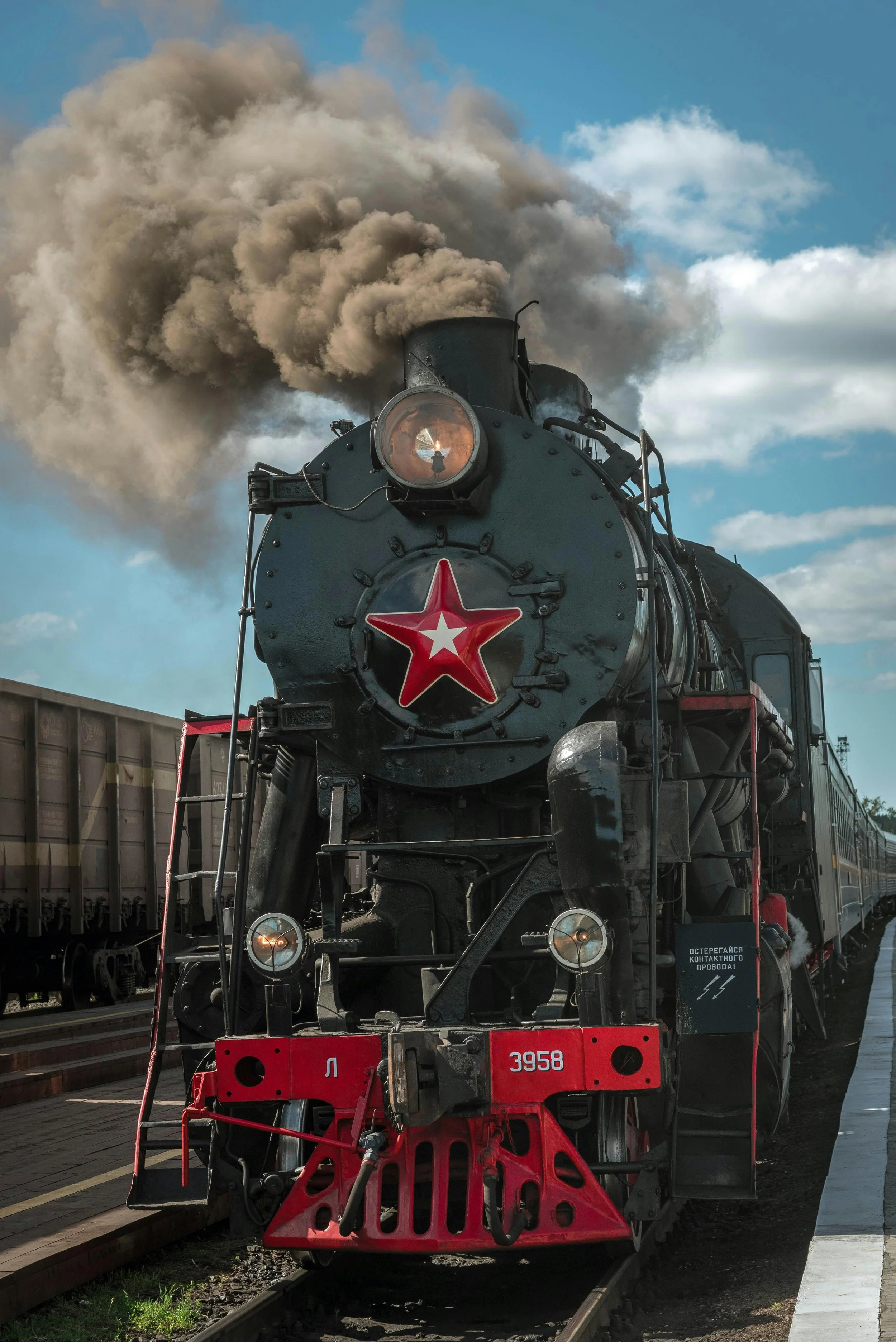
Then 1941 happened. Stalin got paranoid about the Nazi invasion and decided every ethnic German was a potential spy. It didn't matter that these people had lived in Russia for generations. Within weeks close to a million were loaded onto trains heading east.
Kazakhstan received about 400,000 of them. Labor camps, coal mines, construction sites. Between 100,000 and 180,000 died in the first few years from starvation, disease and overwork. Survivors couldn't leave, couldn't speak German publicly and had to hide everything about their culture.
Three generations later their descendants remain scattered across northern Kazakhstan. Towns between Astana and Oskemen. Karaganda where the camps once stood. Small agricultural settlements nobody's heard of.
What Stayed Alive
Food survived when language couldn't.
Walk into a German home in autumn and the smell of sausage-making fills the air. Real wursts done the old way, not packaged supermarket stuff. Liver sausage, blood sausage, smoked sausage. Fall has always been the slaughtering season. Some families still smoke their own meat in backyard smokehouses.
Sauerkraut preparation takes over whole neighborhoods each autumn. Huge batches of fermented cabbage with salt, sometimes with carrots or apples mixed in. The smell is unmistakable. Walk down a street in Karaganda and you can tell which houses are German just from what's drifting out of the kitchen.
Kuchen determines a German woman's reputation in the community. Sweet yeast dough topped with fruit, streusel or cheese depending on family tradition. Everyone thinks theirs is best. Weddings, baptisms, holidays, Sunday dinners all feature kuchen. Make it poorly and people remember.
The dark rye bread sold in Almaty bakeries lasts for days. Dense and sour, nothing like the soft bread Kazakhs and Russians prefer. These recipes arrived from Germany in the 1760s and haven't changed much since. Someone from a 19th century German village would recognize this bread immediately.
Kartoffelsalat at German houses is made with vinegar and onions. Russians use mayonnaise but Germans don't. They serve it warm with bacon or sausage mixed in. The recipe is 250 years old.
Christmas cookies remain the last holdout for families who gave up everything else. Lebkuchen, stolen, pfeffernusse. Even people who can't speak a word of German still make these in December. The recipes are ancient and nobody remembers their origins anymore. December without these cookies isn't really Christmas.
Germans in Kazakhstan eat more authentically German food than modern Germans do. Their recipes froze in time, preserved through decades when speaking German or practicing culture openly could get you killed. The food went underground and survived.
The Language Nobody Speaks Anymore
The Russian language took over. Most Germans in Kazakhstan grew up speaking it. They think, dream and get mad in Russian.
German got banned in public from 1941 until the late 1950s. Schools quit teaching it and books got confiscated. By the time restrictions eased, Russia had already won. Kids didn't see the point of learning German when everyone around them spoke Russian.
Maybe 10,000 to 25,000 people can still speak German fluently in Kazakhstan and almost all of them are elderly. They speak incredible dialects though. Swabian, Bavarian, Palatinate dialects from the 1700s that evolved alone for 250 years. Linguists come from Germany to record these old speakers before they die because these dialects don't exist in Germany anymore.
Young Germans in Kazakhstan know a few phrases. Guten Morgen. Arbeit macht das Leben süss. Some food words. They can't hold a real conversation. German is something their grandparents speak, not something they use.
The Deutsche Allgemeine Zeitung newspaper comes out weekly in German and Russian. About 2,000 people subscribe. It's been publishing since 1966 and most subscribers are elderly. In 20 years there probably won't be enough readers left to keep it going.
Wiedergeburt runs German language classes and the Goethe-Institut tries to help. Germany sends money to support these programs. But competing with Russian TV, Russian internet and the practical benefits of speaking Russian in Kazakhstan is an uphill battle.
The saddest part comes when Germans from Kazakhstan move to Germany. They think they're going home. But they arrive and can't communicate. Too Russified. Their German is broken or nonexistent and their references are all Soviet. They feel German but aren't German in any way modern Germans recognize.
Where They Live Now
Northern Kazakhstan between Astana and Oskemen used to have lots of German villages. Uspen, Taran, Borodulikha. These places were 10 or 15 percent German in the 1980s.
They weren't cute German towns with traditional architecture. Just standard Soviet villages with apartment blocks, collective farm buildings and schools from the 1960s. Inside the homes things were different though.
German families kept their gardens obsessively organized with vegetables in perfect rows. Everything planned out. Some older houses still have outdoor bread ovens built the traditional way.
The Church was complicated under the Soviets. Most Germans were historically Lutheran or Mennonite. The government destroyed churches and killed clergy. What survived went underground with secret Bible studies and quiet baptisms. Only after 1991 could they practice openly again.
Most of those villages emptied out in the 1990s when Germany opened up immigration. Entire German villages left. What's there now is mostly ethnic Kazakhs or Russians who moved in after. The churches that got rebuilt sit half empty.
These days Germans in Kazakhstan live in cities. Astana, Almaty, Karaganda, Pavlodar. Normal jobs. Teachers, engineers, shop owners, businesspeople. City life means more mixing with Russians and Kazakhs and less of the tight German community their grandparents had.
German neighborhoods still exist though. Parts of Karaganda and Pavlodar where German surnames show up on every mailbox, where old women gossip in German on benches outside apartment buildings and where German bakeries and butcher shops cluster together.
Organizations Trying to Hold Things Together
Wiedergeburt is the main organization. Founded in 1989 right before the Soviet collapse, its whole purpose is preserving German culture and advocating for German rights.
They run cultural centers in every regional capital with German language classes, festivals, holiday celebrations and meeting spaces. For young Germans trying to connect with their heritage it's often the only option.
The organization also handles practical matters. Helping elderly Germans who suffered in camps apply for compensation from Germany. Organizing youth exchanges. Facilitating connections between the two countries.
Every town with a decent German population has a Wiedergeburt chapter with open membership and public activities. It's become the face of German identity in Kazakhstan whether they wanted that role or not.
The Kazakh-German University in Almaty teaches in German, Russian and English while preparing students for careers connecting the two countries. Both governments fund it jointly.
There's a German Drama Theatre in Almaty that does plays in German. One of the few professional German-language theaters outside Europe. It opened in 1975 and survived purely on community support. Going to performances is a social event for Germans and a chance to hear their language spoken beautifully even if they can't speak it themselves anymore.
How Germans Celebrate Now
Weddings blend everything together. Old German customs mixed with Russian and Kazakh influences.
Most happen in cultural centers or rented halls. Sometimes there are Lutheran or Catholic elements in the ceremony but often it's just secular. Soviet atheism made religious weddings complicated and people got used to it that way.
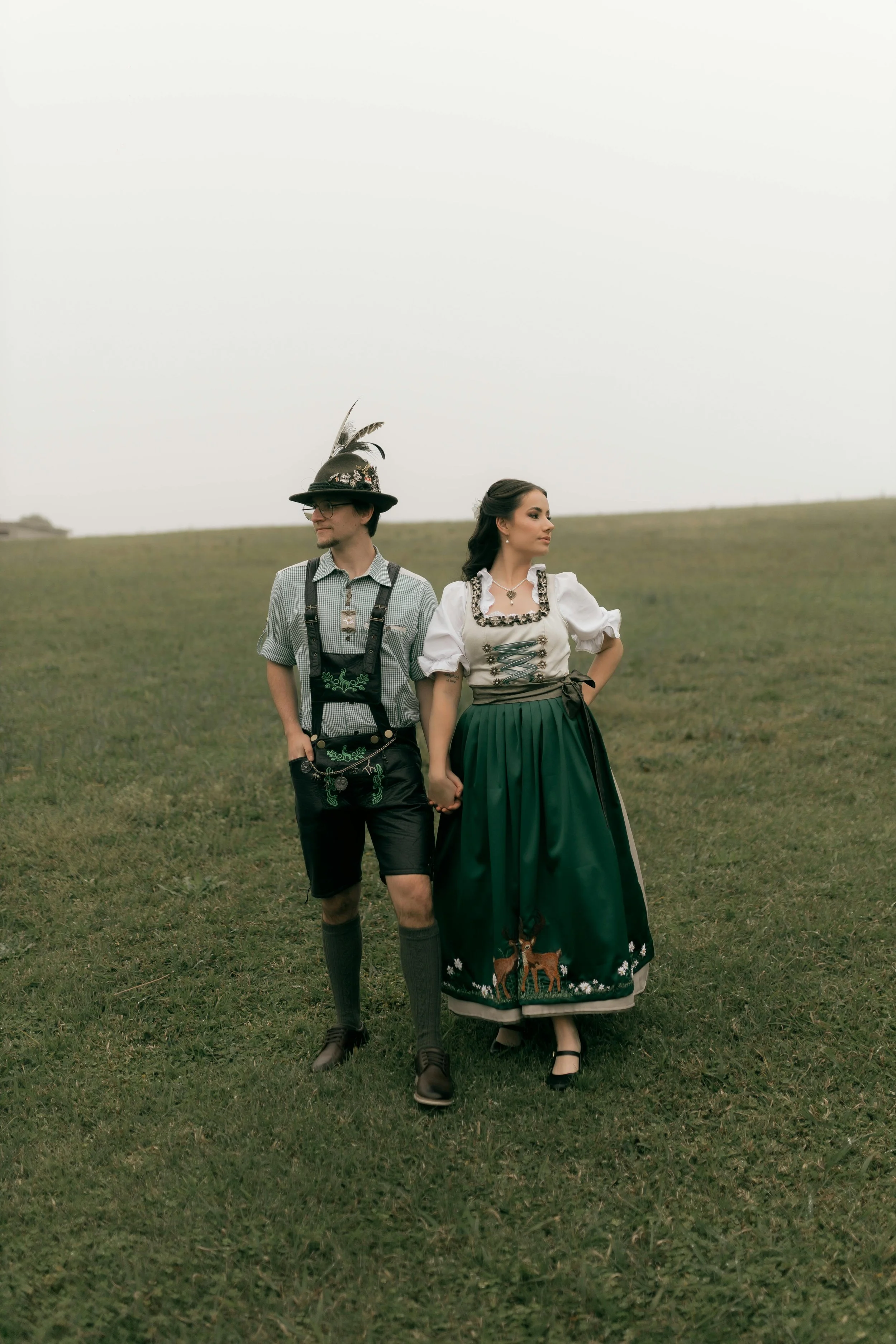
Brides wear white Western-style dresses but the decorations lean German. Folk motifs and red and white colors. Way more decoration than you'd see at a German wedding in Germany.
The food is elaborate with multiple courses. German dishes sit next to Russian and Kazakh ones. Sausages and sauerkraut and kartoffelsalat alongside beshbarmak and plov. Beer and vodka both flow freely. Toasts go on forever mixing German and Russian traditions.
Music ranges all over. German folk songs, Russian pop, Kazakh dance music. Old people sing German songs from their childhood while young people want Russian hits. Everyone dances however they want with German polka style mixed with Russian steps mixed with modern club dancing.
Guest lists get massive. Family, friends, coworkers, neighbors. Weddings of 200 or 300 people are normal. It's a community event where everyone's invited.
Even non-religious families often baptize their kids to keep the connection to Lutheran or Catholic traditions alive. The ceremony stays small with just immediate family. Godparents get chosen carefully and expected to help raise the child with German culture.
Christmas is a big one. Germans celebrate December 25 not January 7 like Orthodox Russians do. Christmas Eve means a big family dinner with a decorated tree and gifts. Families sing the same German carols their ancestors sang 250 years ago.
Easter brings decorated eggs done in German color schemes and patterns with special Easter bread and kuchen on every table.
The Ones Who Left and Came Back
Between 1989 and 2009 over 700,000 Germans left Kazakhstan for Germany. Three quarters of the whole population. Entire families and sometimes entire villages.
Germany had a right of return law where proving German ancestry meant claiming citizenship. People dug out old family Bibles, church records and deportation documents. Proving you were German became the ticket out.
The first wave in the early 1990s was the most "German" people. Families who still spoke the language and kept traditions alive did okay in Germany because they actually knew the culture.
Later emigrants had it harder. By the mid-1990s the people leaving were totally Russified. They spoke only Russian and knew German culture through food and stories their grandparents told. They got to Germany expecting to feel at home and felt foreign instead.
Germany stuck them in small towns. East Germany, rural Bavaria, places that needed population. Integration was rough. Kids got bullied at school for speaking Russian while adults couldn't find work because their qualifications weren't recognized. German bureaucracy made no sense to them.
Some came back to Kazakhstan. Not a lot, maybe a few thousand, but enough to notice. They couldn't handle Germany and missed Kazakhstan's weather, the food and the social dynamics. They felt more at home speaking Russian in Kazakhstan than speaking broken German in Germany.
The ones who stayed in Kazakhstan had their reasons. Too old to start over. Good jobs they didn't want to give up. Actually feeling more Kazakh than German despite their ethnicity. Or they tried Germany, hated it and returned.
The German community left in Kazakhstan is self-selected now. People who actively chose to stay or who couldn't leave or who left and regretted it. They're more committed to making German culture work here.
Living in Kazakhstan's Future
Being German in Kazakhstan comes with specific problems. You're European in a country getting more Kazakhized, Christian in a Muslim-majority country and Russian-speaking in a country pushing Kazakh.
The government has made Kazakh increasingly important since independence. Government jobs require Kazakh proficiency, university entrance exams test it and official documents default to Kazakh now.
This creates problems for Germans since most only speak Russian. Kazakh is hard to learn especially if you're older. But without Kazakh you can't work in government, can't teach, can't do administration and get locked out of most white-collar work.
Some young Germans are learning it because they see it as necessary for their future here. But juggling three languages when you're already struggling to maintain German and function in Russian is tough.
Economically Germans do alright. They're known as good workers who are reliable and organized. German-owned businesses operate throughout Kazakhstan while agricultural areas with German populations tend to be more prosperous. The stereotype of German efficiency helps them.
Politically they're irrelevant though. At around 1 percent of the population they have no electoral power. They've lost most of their representation in local government and nobody makes their issues a priority.
The community worries about what's coming. Birth rates are low and young people move to cities, blend in and marry non-Germans. The tight village communities their grandparents knew are disappearing.
Germany provides financial support by funding Wiedergeburt, supporting German-language education and keeping the Goethe-Institut running. It helps but can't stop the demographic decline.
The Mennonites Who Stayed Strictest
Mennonites deserve their own section since they're more committed to German culture than anyone else.
They came to the Talas Valley in Kyrgyzstan in 1882. About 500 families from the Volga region and Molotschna were running from Russia's new military service law because their religion forbids violence. They founded villages like Gnadenfeld, Gnadental and Köppental. In 1927 they started Bergtal which the Soviets renamed Rot-Front.
World War II hit them differently. They didn't get deported because they already lived in a remote area where people were being sent. But they didn't escape persecution. Over a third of the men conscripted into forced labor died while women got sent for forced labor too. Lots of kids lost both parents.
Most Mennonites left for Germany in the 1990s and went to East Westphalia where Mennonite communities already existed. But some stayed. Today only about 120 to 150 ethnic Germans still live in Rot-Front out of nearly 1,000 total residents. The village is mostly Kyrgyz now.
The families who remained speak German every day. Plautdietsch is actually a Low German dialect from northern Germany near the Netherlands mixed with High German. Kids learn it at home before they learn Russian at school.
Their religious practice is strict with required church attendance and literal interpretation of the Bible. The Mennonite prayer hall is where the remaining Germans meet to socialize and pray.
Farming defines their identity as they work the same land their ancestors cleared in the 1880s. Their vegetables are famous in Kyrgyz markets for being high quality.
Mennonite weddings and funerals follow old traditions exactly. Simple food, simple clothes, German hymns. The contrast with secular German weddings elsewhere in Central Asia is striking.
For Mennonites being German and being faithful are the same thing. You can't separate culture from religion. That's why they've kept the language and customs alive when others couldn't. It's a religious duty, not nostalgia.
Migration to Germany has slowed down now that Germany toughened immigration laws and made German language knowledge required. Some German-Kyrgyzstanis have trouble fitting into German society and feel more comfortable back in Central Asia.
Something interesting is happening with former Rot-Front residents who practice seasonal migration now. They officially live in Germany but spend summers in Kyrgyzstan. This transnational pattern shows the complicated connection these families have between two worlds.
What's Left
The German community in Central Asia is shrinking and aging. Everyone can see it happening. Young people leave, old people die and birth rates stay low. In 20 or 30 years there might not be enough left to call it a community.
But some things will survive. The food isn't going anywhere since German bakeries in Almaty will keep making dark rye bread because Kazakhs and Russians buy it too. German sausage techniques have spread into broader Central Asian cuisine and sauerkraut shows up everywhere now.
The institutions will probably last. Wiedergeburt has government backing, the German Drama Theatre has loyal audiences and the Kazakh-German University serves both countries' interests. As long as Germany and Kazakhstan maintain good relations these places matter.
German surnames stay common across Kazakhstan. Schmidt, Mueller, Wagner, Fischer. Some people with these names have totally assimilated and don't identify as German anymore while others hold onto it proudly. The names stick around even when the culture fades.
Old German cemeteries dot northern Kazakhstan. Graveyards from labor camp days that whoever's left tries to maintain with inscriptions in German and Russian. Quiet forgotten places.
The language will probably die. In 20 years almost nobody will speak German natively here. It'll be a heritage language people learn in classes and speak badly. The 250-year chain of German spoken continuously in Russia and Central Asia will break.
But identity is stubborn. People will still say "I'm German" even if they only speak Russian or Kazakh. They'll still make their grandmother's kuchen recipe and still put up Christmas trees on December 25. Identity survives when language and homeland don't.
Right now about 180,000 Germans remain scattered across Central Asia. Assimilated and often invisible. But they're here making sausages, baking bread and teaching their kids half-remembered German phrases. Surviving the way they always have.