Religion in Central Asia: Islam, Orthodoxy and Ancient Sky Worship
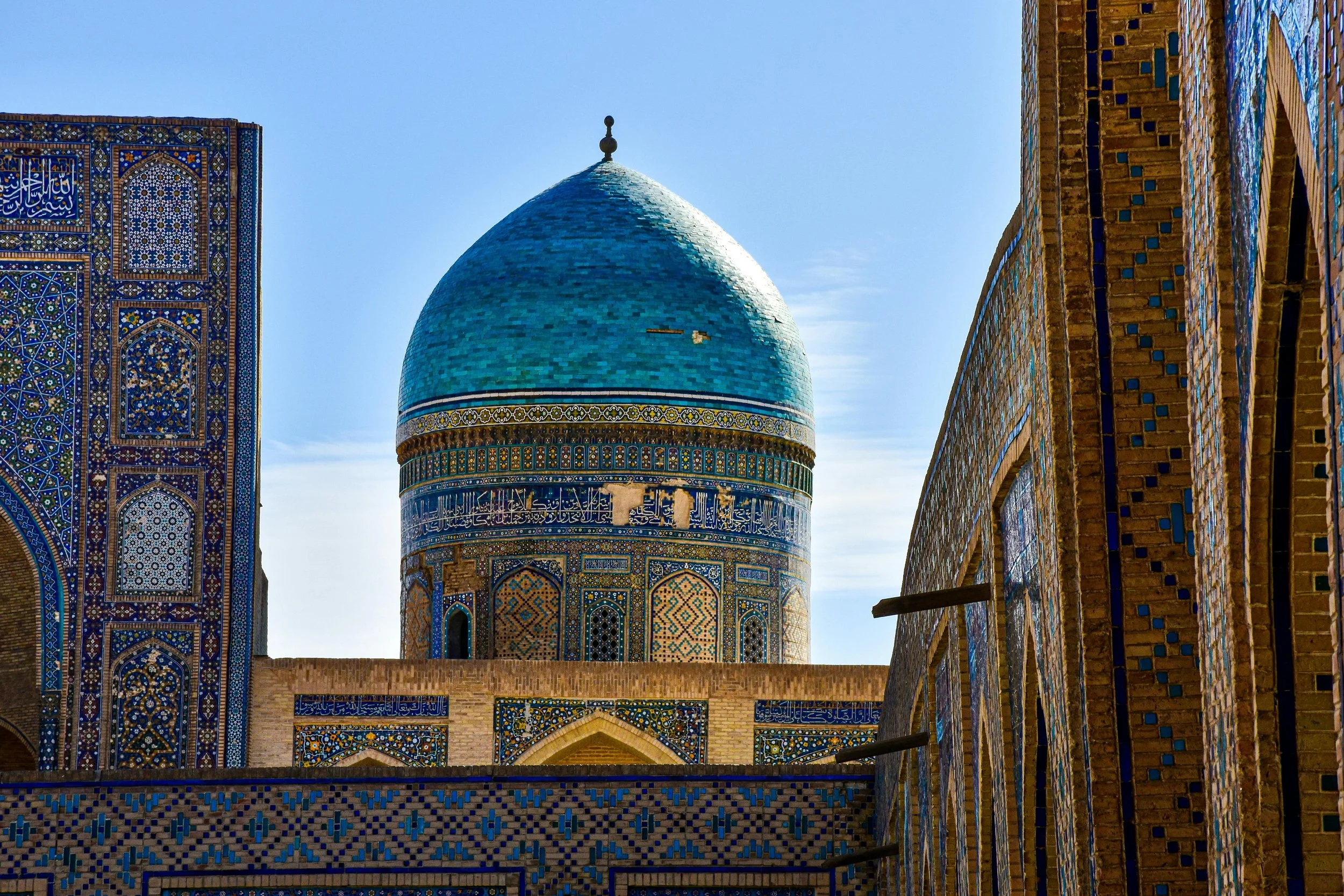
Walk into any bazaar on Friday afternoon and you'll notice something. The crowds thin out around prayer time. Shops stay open but fewer people are browsing. Men head to the mosque. Women pray at home. This happens weekly across Central Asia where roughly 88 to 90 percent of the roughly 78 million people identify as Muslim. But Islam here doesn't look like Islam in Saudi Arabia or Iran. Seven decades of Soviet atheism left marks that haven't faded. The religious landscape is messy, contradictory and still figuring itself out.
The Numbers Tell Part of the Story
Kazakhstan sits at around 70 percent Muslim. The 2021 census put it at 69.3 percent specifically. The rest are mostly Russian Orthodox Christians at about 17 percent with smaller numbers of Protestants, Catholics and others. Kyrgyzstan is roughly 90 percent Muslim according to government estimates from 2017. Christians make up around 7 percent of the population. Most are Russian Orthodox though Protestant groups have grown. Tajikistan runs high at about 96 to 97 percent Muslim based on census data. Uzbekistan sits similar at around 96 percent. Turkmenistan falls somewhere between 92 to 94 percent Muslim depending on which source you check. These percentages don't tell you much about how people actually practice though. Huge numbers identify as Muslim culturally without being particularly religious. The Soviet system forced everyone into atheism for generations. That didn't just disappear overnight in 1991.
What Islam Means Here
Almost all Muslims in Central Asia follow Sunni Islam. Specifically the Hanafi school which has been dominant in the region since medieval times. There's one major exception that matters if you're traveling through the region. The Gorno-Badakhshan area of Tajikistan, known as the Pamirs, is home to Ismaili Shia Muslims who follow the Aga Khan as their living spiritual leader. The religious shift is immediately visible when you cross from Kyrgyzstan at Sary-Tash into the Pamirs near Murgab or Khorog. The minarets disappear. Ismailis don't use traditional mosques. Instead they gather in community centers called Jamatkhana.
Most Pamiris don't fast during Ramadan in the traditional Sunni way. You'll see photos of a man in a suit, the Aga Khan IV, displayed in nearly every house, shop and car. He's their living spiritual leader and a major donor who funded much of the region's infrastructure including bridges, the university and electrical systems. Traditional Pamiri houses, called Chid, offer insight into Ismaili beliefs. The five pillars inside aren't just structural support. They symbolize the five members of the Prophet's family in Shia tradition. Visiting a Pamiri house becomes the cultural equivalent of visiting mosques elsewhere in Central Asia.
Understanding this religious difference explains why the Pamirs feel culturally distinct from the rest of Central Asia. Religious practice varies wildly by location and generation. Southern Kyrgyzstan is more devout than the north. Uzbekistan's Fergana Valley is more traditional than Tashkent. Rural areas generally practice more than cities.
The older generation remembers Soviet times when being openly religious could get you in trouble. They're often nominally Muslim but don't attend mosque regularly. The middle generation came of age during the 1990s religious revival and includes both very religious people and completely secular ones. Young people are all over the map.
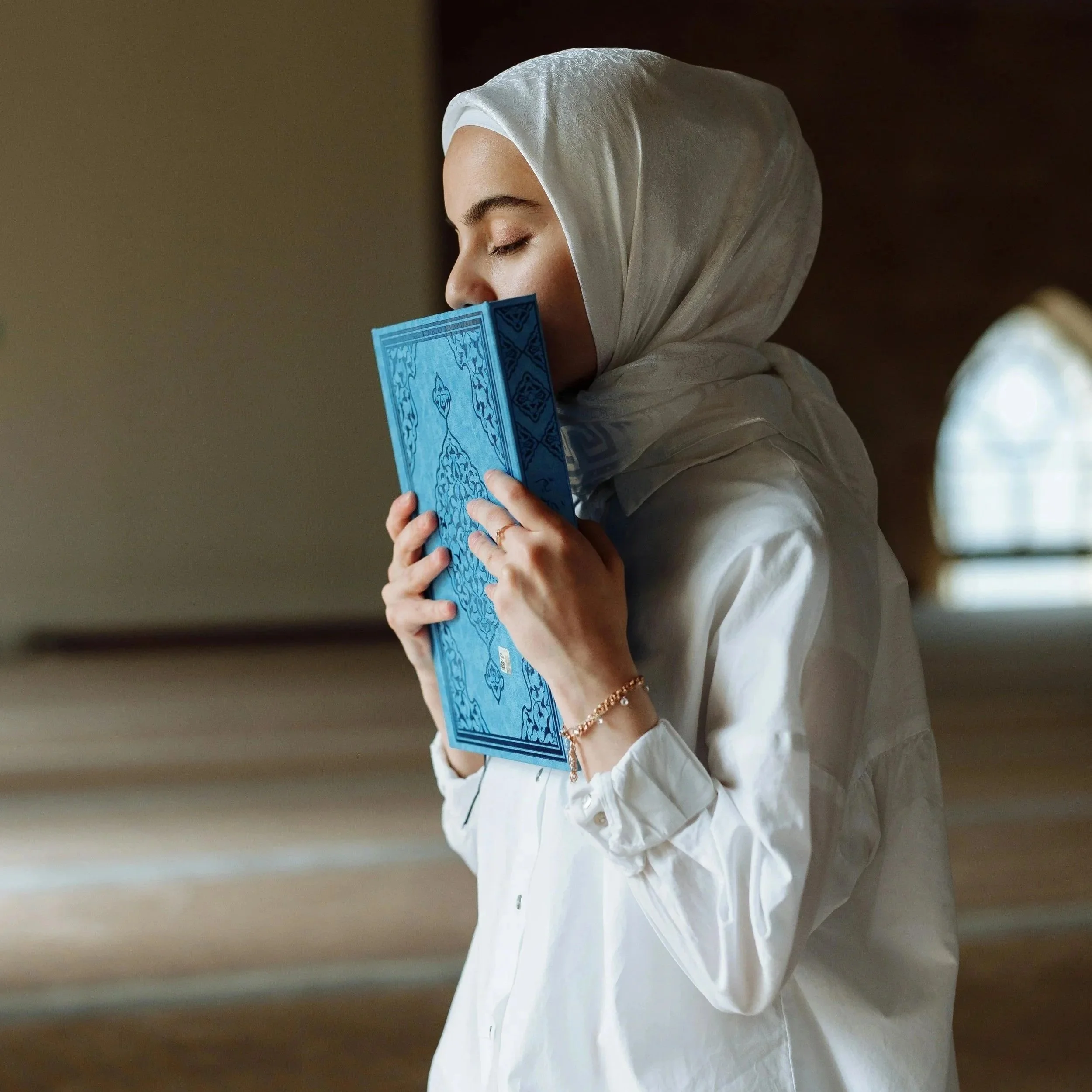
A 2012 Pew study found that 74 percent of Muslims in Kazakhstan and 64 percent in Kyrgyzstan identify as "just Muslim" rather than specifically Sunni or Shia. They're Muslim by cultural identity more than strict religious practice. Friday prayers happen everywhere but mosques aren't packed like in stricter Muslim countries. Many men pray. Many don't. Women pray mostly at home though some attend mosque. Nobody freaks out if you miss prayers. It's between you and God. Ramadan gets observed but with flexibility. Lots of people fast. Others don't. Restaurants stay open during the day. People drink water if they're working hard in the heat. The religious police aren't coming to check on you.
How Soviet Atheism Worked
Understanding religion here requires understanding what happened under Soviet rule. The Soviets didn't just discourage religion. They tried to eliminate it completely.
In 1917 when the Bolsheviks took power there were about 20,000 mosques across Central Asia. By 1929 fewer than 4,000 remained open. By 1935 Uzbekistan had fewer than a few hundred functioning mosques serving half the Muslim population of the region.
The anti-religious campaigns peaked in the late 1920s and 1930s. Mosques got closed or converted into warehouses and museums. Religious schools shut down. Islamic courts were abolished. Waqf (buildings donated for religious or charitable purposes under Islamic law, like mosques, schools, hospitals and land generating income for religious institutions) got nationalized.Thousands of Islamic scholars and religious leaders were arrested and sent to labor camps. Many died. Others fell silent.
The destruction was so thorough and chaotic that historians have better documentation of Genghis Khan's invasions than the Soviet assault on Islam. Most happened quickly with little record-keeping.
During World War II Stalin shifted strategy. In 1943 he authorized creation of SADUM, the Spiritual Administration of Muslims of Central Asia and Kazakhstan. The name separated Kazakhstan from Central Asia even though the region had historically been known as Turkestan, reflecting Soviet administrative divisions that carved the area into separate republics. This gave Islam limited official existence but under complete state control. A few mosques reopened. The Mir-i-Arab madrassa in Bukhara started operating again in 1946.
But SADUM existed to control religion, not promote it. The state appointed all clerics. Published all religious materials. Organized international conferences to show that Islam and socialism were compatible. Only "good" Islam that didn't threaten Soviet power was allowed. By the 1970s only about 1,500 to 2,000 mosques operated across the entire Soviet Union even though 45 to 50 million people identified as Muslim. Most religious practice went underground. People held religious ceremonies at home. Buried dead according to Islamic rites quietly. Women called otins memorized Quran passages and led private recitations. Shrines and holy places survived despite official suppression. Islam became family-oriented rather than public. Localized instead of connected to the broader Muslim world. Soviet borders closed and Central Asian Muslims got cut off from Islamic developments elsewhere.
The 1990s Religious Explosion
When the Soviet Union collapsed in 1991 religion came roaring back. Suddenly you could build mosques again. Study Islam openly. Make hajj to Mecca. Travel to other Muslim countries. The restrictions vanished almost overnight. The governments initially allowed this. They even encouraged it to some extent. Islam was part of national identity that had been suppressed. Presidents made hajj pilgrimages. Islamic holidays became official. New madrassas opened.
But by the mid-1990s the governments got nervous. The Tajik Civil War from 1992 to 1997 showed what could happen when Islamic groups got political. The Islamic Renaissance Party fought the government. Over 50,000 people died. Another 250,000 fled the country. The Taliban took over Afghanistan in 1996. The Islamic Movement of Uzbekistan formed and carried out attacks. Suicide bombings hit Tashkent. The governments cracked down hard. Now all five countries tightly control religion again. Not Soviet-level suppression but serious restrictions. Mosques need registration. Imams need approval. Religious education gets monitored. Unauthorized Islamic activity is illegal.
The balance point they're aiming for is Islam as cultural heritage and personal faith but not as political force. You can pray and fast and go to the mosque. You can't organize Islamic political parties or challenge government authority using religious arguments.
Russian Orthodox Christians
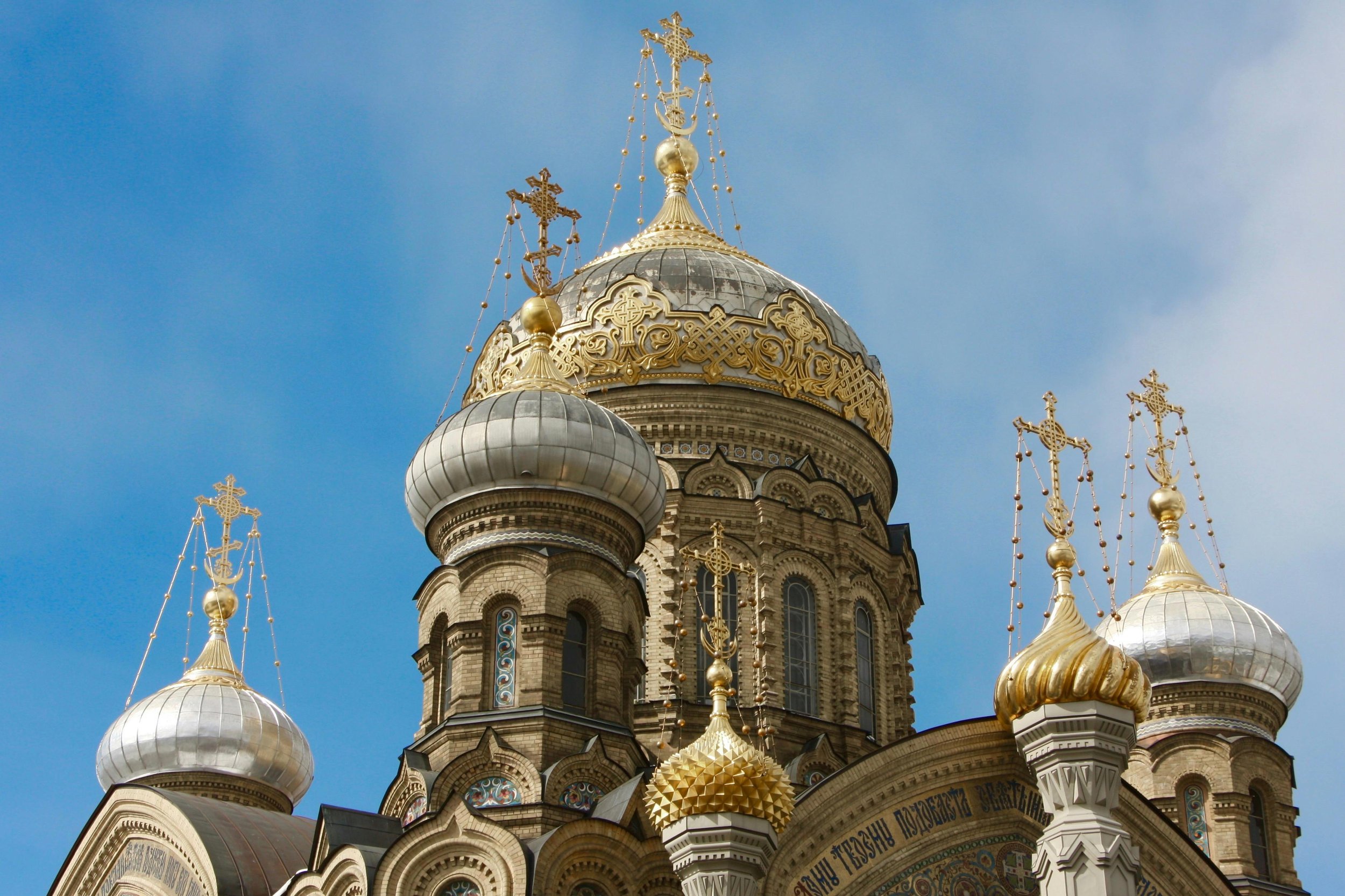
Kazakhstan has about 3.3 million Christians according to 2025 data. Most are Russian Orthodox. The 2021 census showed 17.2 percent of Kazakhstan's population identifies as Christian. Kyrgyzstan has around 7 percent Christian population. About 40 percent of those are Russian Orthodox which works out to roughly 2.8 percent of the total population. The rest are divided among Catholics, Baptists, Lutherans, Pentecostals and other Protestant groups. Russian Orthodoxy arrived in Central Asia during the 18th and 19th centuries as Russia expanded into the region. The first Orthodox parishes in Kyrgyzstan opened in the 1870s to serve Russian forts being built. Kazakhstan got similar treatment as Russians settled there.
Orthodox Christians are primarily ethnic Russians, Ukrainians and Belarusians. Over 85 percent of ethnic Russians in Kazakhstan identified as Orthodox in the 2009 census. The correlation between ethnicity and religion is strong. The Orthodox Church suffered under Soviet atheism too. Churches got closed, converted or destroyed. Clergy were arrested. Religious practice was suppressed. But the church survived underground similar to Islam. After 1991 the Russian Orthodox Church rebuilt. Kazakhstan now has 175 registered Orthodox churches. Kyrgyzstan has 44 Orthodox churches plus one monastery. Orthodox Christmas is a national holiday in Kazakhstan. Most Orthodox Christians live in cities rather than rural areas. This matches where ethnic Russian populations concentrated. As Russians emigrated after Soviet collapse the Orthodox population declined but stabilized. The Orthodox Church generally stays out of politics and maintains good relations with Muslim leadership. Joint interfaith councils exist. Religious holidays of both faiths get recognized officially.
The Sky Worshippers Making a Comeback
Before Islam arrived in the 8th century, Central Asian nomadic peoples followed Tengrism. This ancient belief system centered on Tengri, the sky god. It mixed shamanism, animism and ancestor worship.
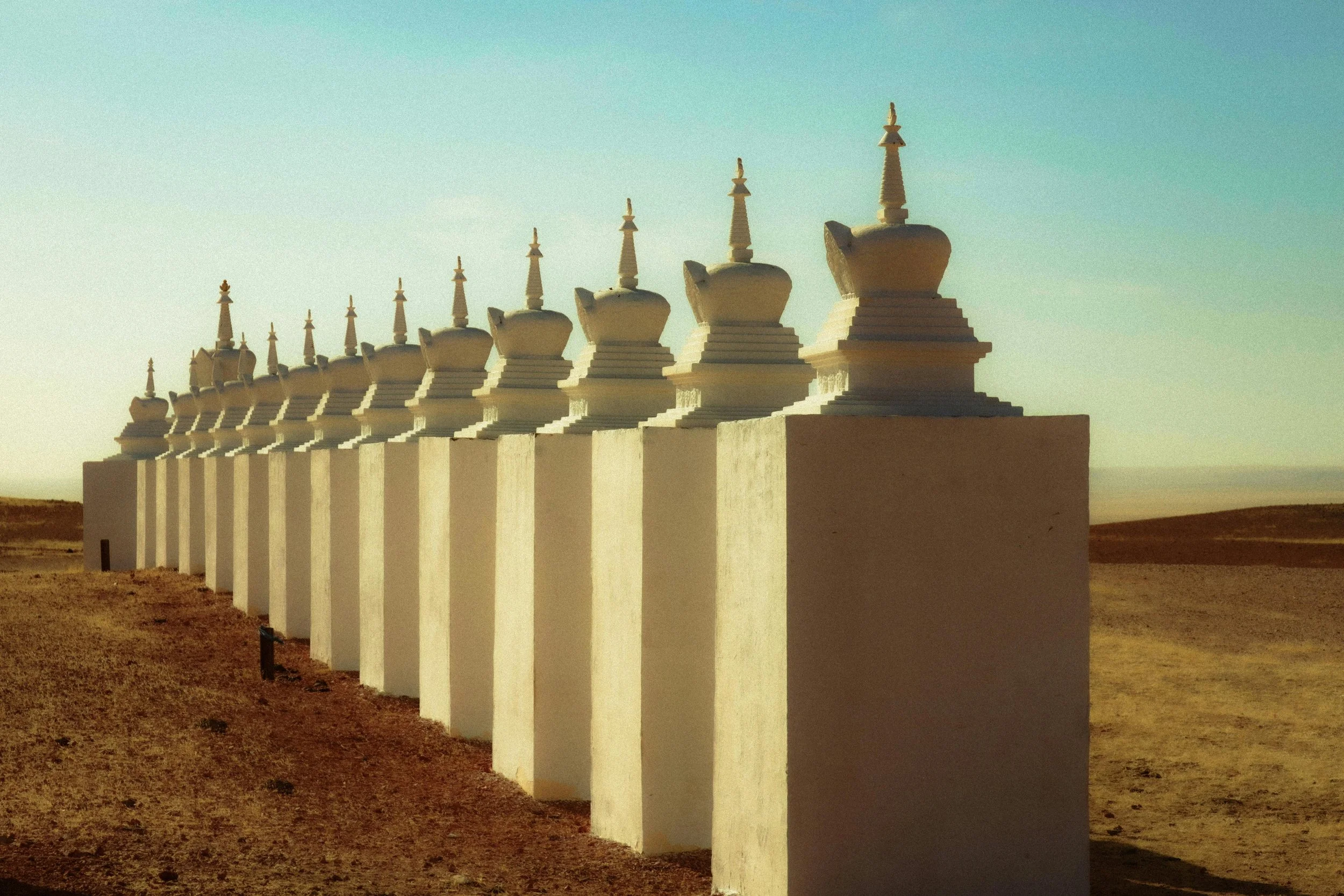
Tengrism was the dominant religion of the Turkic Khaganate, the Mongol Empire and other steppe peoples for centuries. It emphasized harmony with nature, respect for ancestors and living according to cosmic laws. Islam gradually replaced Tengrism but elements survived. People still tie ribbons to sacred trees. They burn juniper at graves. They visit holy mountains and springs.
Since the 1990s Tengrism has been reviving as a formal movement. Followers claim it's the original native religion of Turkic peoples. They argue Islam is foreign, imported from Arabia. Kazakhstan is sometimes claimed to have hundreds of thousands of people following Tengrism as of 2024 though this number is disputed. Kyrgyzstan claims about 50,000 followers. Both numbers are hard to verify and some experts think they're inflated.
The problem is nobody agrees what Tengrism actually is. Some say it's a religion. Others call it philosophy or worldview. It has no holy book, no prophets, no formal clergy and no agreed-upon beliefs or rituals. It's more like a nationalist movement using spiritual language. Former presidents of both Kazakhstan and Kyrgyzstan have praised Tengrism as the natural religion of Turkic peoples. This gave it political legitimacy. But governments haven't officially recognized it as a religion.
Tengrists themselves split on whether they want official religious status. Some do because it would let them own property and operate openly. Others prefer to stay informal because institutionalizing would ruin the flexibility they value. The movement attracts nationalists who want to emphasize pre-Islamic Turkic identity. It appeals to intellectuals uncomfortable with Islam but looking for spiritual connection. It draws people interested in ecology and nature worship.
Whether Tengrism is genuine religious revival or invented tradition is debated. Critics say modern Tengrism is mostly constructed from limited historical sources and nationalist imagination. Supporters insist they're reclaiming authentic ancestral beliefs.
Practically speaking Tengrist practice involves praying to ancestors, respecting nature and worshipping Tengri the sky. Followers visit sacred mountains, tie ribbons to trees and burn herbs. They don't have regular services or formal rituals. It's individualistic and unstructured. The revival remains small compared to Islam and Christianity but it's visible in intellectual circles and nationalist movements. Whether it grows or fades depends partly on how governments respond and partly on whether followers can define what they actually believe.
Judaism, Buddhism and Others
Small Jewish communities exist in Kazakhstan and Uzbekistan. Kazakhstan has around 2,500 to 3,300 Jews, less than 1 percent of the population. Most are Ashkenazi and speak Russian. One synagogue operates in Bishkek. Jewish communities in Bukhara and Samarkand go back centuries but have shrunk dramatically since 1991 as people emigrated to Israel. Buddhism has a historical presence from when it spread along the Silk Road. Ancient Buddhist ruins exist in Kazakhstan and elsewhere. The current Buddhist population is tiny, under 10,000 in Kazakhstan, made up mostly of converts and small ethnic communities. One Buddhist temple serves the community in Bishkek. The Bahai Faith has a few thousand followers in Kazakhstan. Scattered small communities of Hindus, Seventh-day Adventists, Jehovah's Witnesses and other groups exist mostly in cities.
How It All Fits Together
Central Asian religion is complicated. Most people are Muslim by heritage and identity. Many practice to varying degrees. Some are devout, others nominal. Soviet atheism affected everyone differently. Christianity exists mainly among ethnic Russians and other European minorities. As those populations shrink through emigration, Christian numbers decline. Traditional practices that predate Islam persist everywhere. Sacred sites draw pilgrims. Folk healers operate alongside doctors. Ancient beliefs about nature and ancestors mix with mainstream religion. The governments want religion kept under control. They promote Islam and Christianity as traditional faiths but don't want either becoming political. They suppress groups that challenge authority or promote extremism. What you end up with is unique to this region. Islam shaped by nomadic culture, Soviet suppression and post-Soviet revival. Christianity primarily ethnic and urban. Ancient beliefs bubbling underneath. All coexisting awkwardly but mostly peacefully. Understanding religion here means understanding it's not fixed or uniform. It's messy. Contradictory. Still evolving. A woman might go to a mosque occasionally, drink beer or wine socially and burn juniper at her grandmother's grave. None of that seems weird locally. It's just how religion works in Central Asia.