Alcohol in Central Asia: Vodka, Islam and the Hangover from Soviet Collapse

Walk into any Bishkek store in 1995 and vodka was everywhere. Shelves packed with bottles. The best-selling product by far. This was a Muslim-majority country where alcohol should theoretically be forbidden. But it wasn't. Not even close.
The 1990s were brutal in Central Asia. Soviet collapse brought economic devastation, massive unemployment and a kind of collective depression that's hard to understand if you weren't there. Vodka became both a symptom and coping mechanism for a society falling apart.
When Everything Collapsed at Once
The Soviet breakup in 1991 hit Central Asia harder than most places. The integrated Soviet economy just stopped working overnight. Factories that had operated for decades suddenly had no suppliers and no markets. Everything had come from or gone to other Soviet republics. Those connections vanished.
Kyrgyzstan's industrial production dropped 27 percent in 1992 alone. By 1994 the country's economic output was only about 45 percent of what it had been in 1990. GDP nearly halved in the first five years of independence. Hyperinflation destroyed savings. The currency became nearly worthless.
One woman's aunt had life savings in rubles. Overnight those savings became meaningless. She went from financially secure to broke without spending a single coin. This happened to millions of people. The psychological impact was devastating.
Factories closed. In some industrial towns unemployment hit extremely high levels. Places like Balikchy and Min Kush that had thrived as Soviet industrial centers turned into ghost towns. Balikchy had been a key manufacturing hub with large factories. Min Kush was a uranium mining town that employed thousands. Under Soviet central planning these towns had steady work, housing and services. When the integrated Soviet economy collapsed, the industries shut down overnight and the towns emptied.
The Soviet system had provided everything. Healthcare, education, housing, pensions, jobs. Suddenly all that collapsed. People who'd never had to worry about survival were struggling to eat. The transition to market capitalism wasn't gradual. It was brutal and immediate.
Smarter or luckier people bought up property during the chaos. Those still processing what was happening got left behind. Many ended up homeless. The wealth gap that appeared almost overnight created resentment that still exists today. This wasn't abstract economic theory. This was families going hungry. This was educated professionals becoming jobless overnight. This was watching your entire world stop making sense.
Vodka Filled the Void
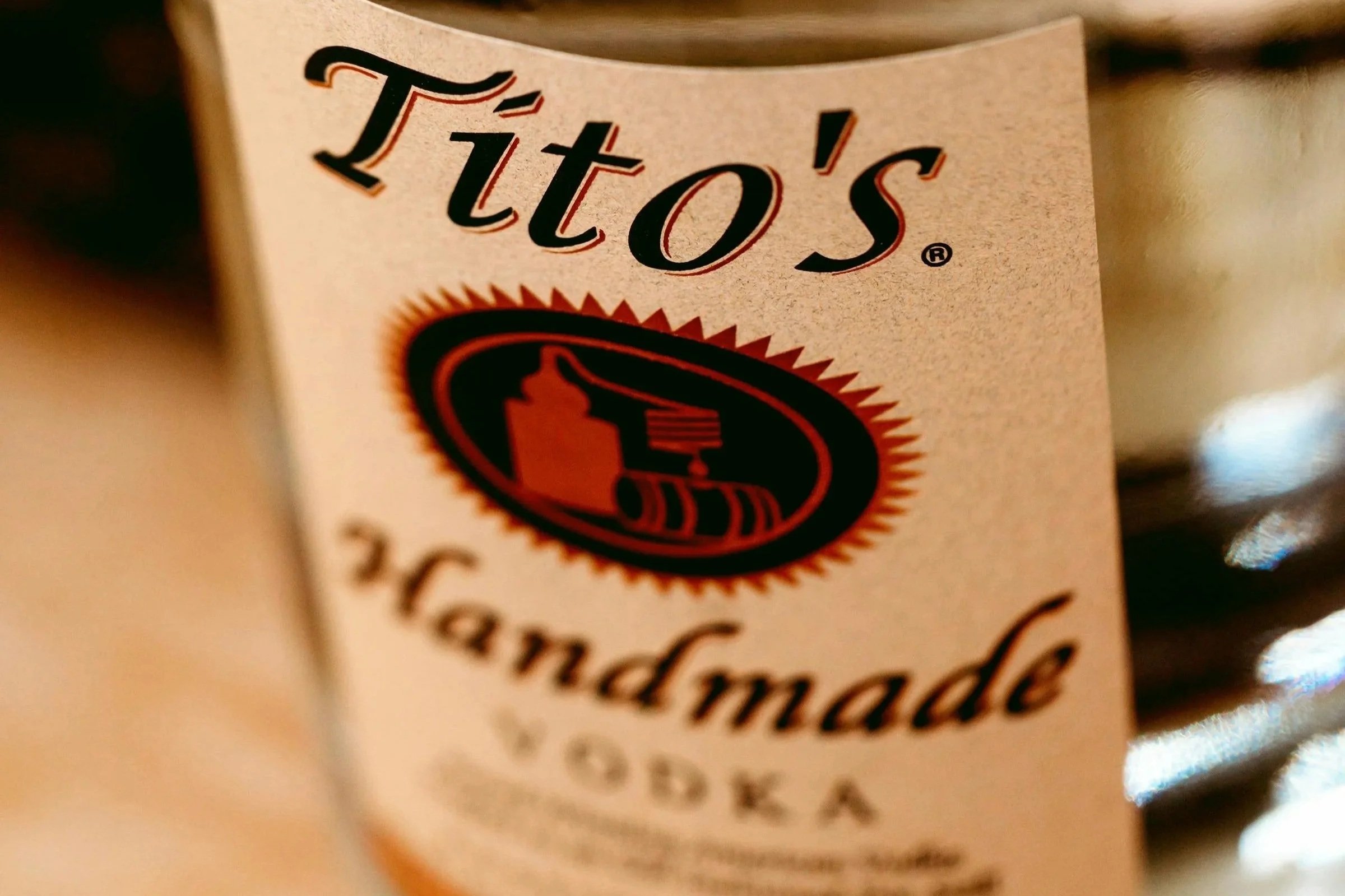
Vodka was everywhere during the 1990s. You could find it in any store in Bishkek and other cities. Small shops, big stores, kiosks on street corners. Vodka was the product that always sold.
People drank to cope. The economic collapse, the uncertainty, the loss of status and security. Vodka numbed everything. For a population in shock, alcohol became an escape from reality that had become unbearable.
The Soviet system had always had serious alcohol problems. Russia's vodka culture extended into Central Asia during Soviet times even though the region was historically Muslim. But the 1990s made it worse. Alcohol consumption spiked as people tried to deal with collective trauma.
Kazakhstan led Central Asia in alcohol consumption during this period. Around 2010 to 2012 per capita consumption peaked at roughly 8 to 9 liters of pure alcohol annually. For comparison, Tajikistan, Turkmenistan, Kyrgyzstan and Uzbekistan were consuming significantly less at that point.
Even those lower numbers were significant for Muslim-majority countries. WHO data from around 2010 showed Kazakhstan at about 9.3 liters per capita and Kyrgyzstan at roughly 5 to 6 liters. These weren't small amounts. Central Asians were drinking heavily by global standards relative to religious norms.
The drinking caused predictable problems. Road accidents involving alcohol were common. Alcohol was a major contributing factor in a substantial share of traffic deaths. Liver cirrhosis and other alcohol-related diseases accounted for a significant proportion of premature male mortality in Kazakhstan and Kyrgyzstan.
Women drank nearly as much as men by some accounts. Some studies estimated that roughly one third of regular alcohol consumers in Kazakhstan were women. Female alcoholism became a serious issue. Women drank alone at home dealing with stress from carrying too much responsibility for work and family. Teenagers started drinking young. Surveys indicated early exposure to alcohol among adolescents, often in early teenage years, alongside early uptake of smoking. The social fabric was breaking down and young people had no clear future to work toward.
What People Actually Drank
Vodka dominated. Hard liquor was the drink of choice across Central Asia. Then came beer. Wine lagged behind except in Turkmenistan where wine consumption was relatively higher than elsewhere in the region. Turkmenistan has a long tradition of grape cultivation and winemaking dating back centuries, particularly in the Kopet Dag mountain region. The country maintained wine production even during Soviet times and continued afterward.
This matched Russian drinking patterns that had become embedded during Soviet times. Vodka wasn't a traditional Central Asian drink. Kumis was. Fermented mare's milk with low alcohol content. But Soviet influence made vodka the standard. The alcohol was often low quality too. A significant share of Kazakhstan's vodka market operated illegally according to industry and public health estimates. Roughly a quarter of all alcohol consumption was estimated to come from unrecorded or counterfeit sources. Counterfeit alcohol meant dangerous alcohol. Methanol poisoning. Industrial alcohol is sold as drinking vodka. People died from bad batches but kept drinking anyway because addiction and desperation don't respond to safety concerns.
The Long Slow Decline

It took at least 10 years for vodka's popularity to start decreasing. From 1991 through the early 2000s vodka remained central to social life and coping mechanisms. The decline came gradually as multiple factors aligned.
Economic stability improved slowly. Countries weren't recovering quickly but they weren't in freefall anymore either. By the 2000s people could see a future again even if it wasn't great. Hope matters psychologically.
Islam's role strengthened significantly after independence. Mosques reopened after Soviet suppression. Religious education became available. Young people especially turned to Islam for the identity and community that Soviet collapse had destroyed.
This had a measurable impact. By the early 2010s experts noted declining alcohol use among teenagers in Kazakhstan. Islam provided a moral framework that Soviet atheism had removed.
Health consciousness grew as information became available. People learned what heavy drinking does long-term. Education campaigns targeted alcohol abuse. Governments implemented policies to reduce consumption.
Kazakhstan introduced stricter regulations. Minimum pricing on vodka and spirits. A broad ban on alcohol advertising. Sales prohibited late at night. Enforcement became tighter over time. These policies worked to some degree.
The numbers show clear decline. Kazakhstan dropped from about 9.3 liters per capita in 2010 to around 7 to 8 liters by the mid-2010s and continued declining afterward. Kyrgyzstan also saw a steady reduction from mid-2000s levels. Uzbekistan remained consistently low. Turkmenistan declined modestly, though data there is less reliable. These reductions happened across the region. WHO noted Central Asian countries among those that achieved meaningful reductions through pricing and availability controls.
Where Things Stand Now
Vodka isn't popular anymore in Kyrgyzstan and other Central Asian countries. It's not driving sales like it did in the 1990s. The country has stabilized compared to the chaos of early independence. Economic growth resumed. People have jobs again. The desperation that fueled heavy drinking has eased.
Islam's influence continues growing. More people pray. More women wear headscarves. Religious identity strengthened as people searched for meaning that Soviet materialism never provided. This affects alcohol consumption directly since Islam prohibits drinking. Health awareness increased significantly. People know the risks now. Younger generations especially are more health-conscious than their parents. Drinking heavily isn't cool anymore like it might have been during Soviet times.
Drinking patterns also shifted by generation. Vodka remains the drink of choice primarily for people over 40, who grew up during Soviet times and the chaotic 1990s. For those under 40, beer has become the most popular alcoholic drink. This generational divide reflects different cultural influences and the declining impact of Soviet drinking traditions on younger people. The shift reflects broader social change. Central Asian countries aren't in crisis mode anymore. They're developing slowly but developing. People have reasons to care about their health and future. That changes drinking behavior fundamentally.
Young people today don't have the same trauma their parents experienced. They didn't watch their world collapse. They grew up in independent countries that are imperfect but functioning. This generation sees alcohol differently than the generation that drank to forget the 1990s.
The Muslim Question
The obvious question is how Muslim countries drink vodka at all. Islam prohibits alcohol clearly. So what happened?
Seventy years of Soviet atheism happened. The Soviet Union suppressed religion systematically. Closed mosques. Arrested religious leaders. Banned Islamic education. Made religious practice dangerous. This forced secularization in Central Asia. When the Soviet Union collapsed Islamic practice returned but gradually. Old habits from Soviet times persisted. Drinking vodka was one of those habits. People identified as Muslim culturally while maintaining Soviet-era behaviors including alcohol consumption.
The result is a complicated relationship with alcohol. Religious conservatives don't drink. Secular people drink freely. Most people fall somewhere in the middle. They're Muslim but don't follow all rules strictly. Vodka at weddings is normal. So is abstaining completely. Both are accepted. This flexibility exists partly because Islam here was shaped by nomadic culture and Soviet suppression. It's not Middle Eastern Islam with centuries of unbroken tradition. It's Central Asian Islam that got interrupted, suppressed and is now rebuilding while incorporating local reality.
What the Drinking Patterns Mean
The vodka epidemic of the 1990s wasn't about Central Asians being alcoholics. It was a response to catastrophic social and economic collapse. People drank because their world ended and they didn't know how to cope.
The decline in drinking shows recovery and social healing. As countries stabilized and Islam provided new meaning, people needed alcohol less. The wound that the Soviet collapse created is slowly healing.
But the experience left marks. The older generation that lived through the 1990s often still struggles with alcohol. That trauma doesn't just disappear. Younger people have different relationships with drinking because they didn't experience the collapse.
The shift from vodka to lower consumption shows Central Asian societies finding new equilibrium. They're not Soviet anymore and not trying to be. They're not rigidly Islamic either. They're figuring out what Central Asian Muslim identity means in the modern context.
Alcohol remains available. You can buy vodka in stores. Bars and clubs operate in cities. But the culture around drinking changed. It's not the coping mechanism it was. It's not driving sales like in the 1990s. Society moved on to some degree.
The story of alcohol in Central Asia is really the story of post-Soviet transition. The vodka epidemic reflected social collapse. The decline reflects slow recovery. How people drink tells you how they're coping with enormous change. Twenty years after peak vodka consumption, Central Asia is in a different place. Not perfect but functional. Not healed but healing. The bottles that lined every shelf in 1995 are still there but people aren't buying them the same way. That matters more than statistics suggest.