Kumis: The Drink of The Steppes
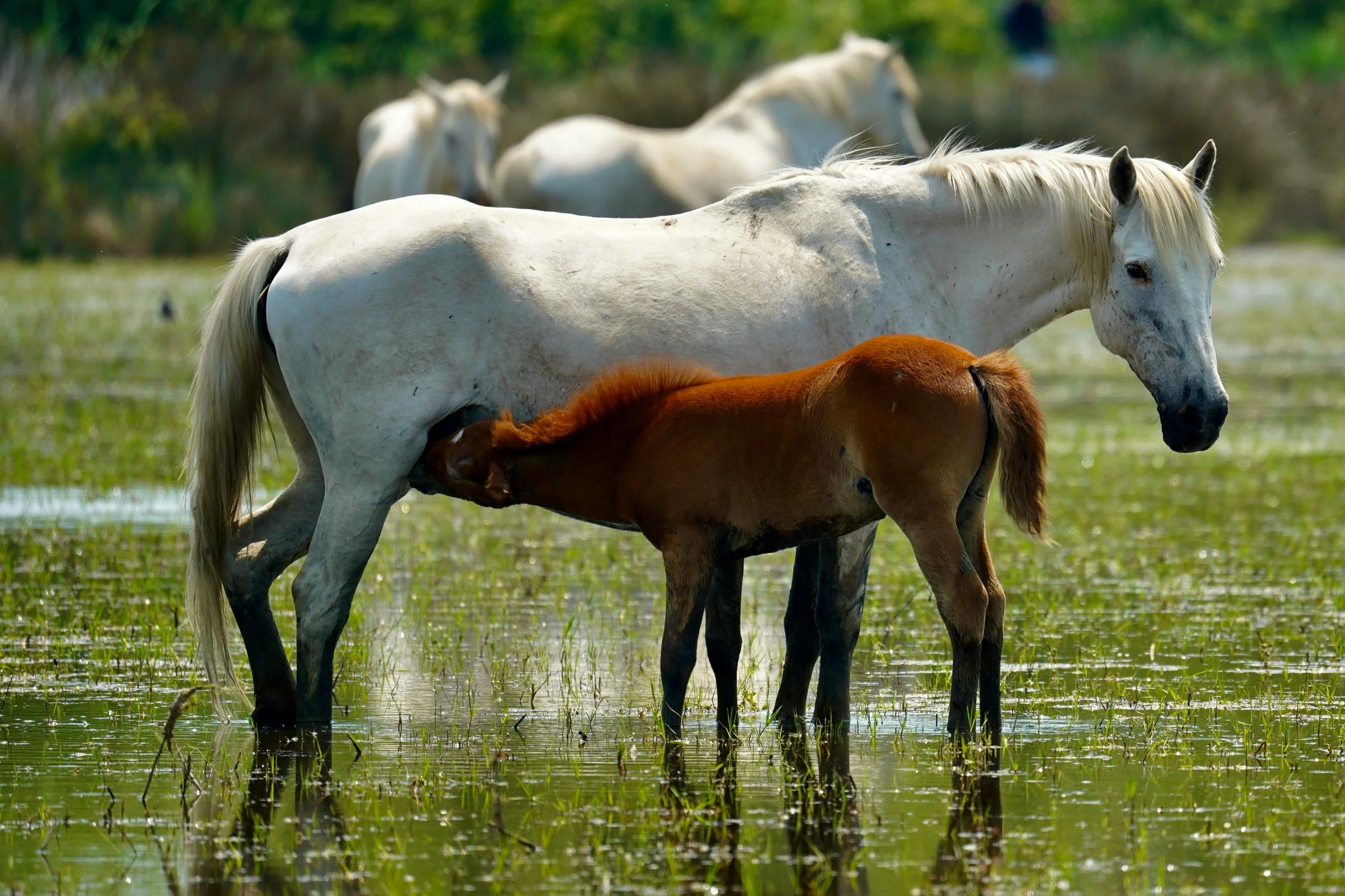
First sip hits wrong. That's just the truth. You're expecting something closer to milk and what you get is sour and fizzy and slightly boozy and there's a smell underneath it that takes a second to place. The woman who handed you the bowl is watching. She already knows what your face is doing.
Every outsider makes that face.
Give it a minute though. Because kumis is one of those things that starts making sense the longer you sit with it, and by the end of a summer in Kyrgyzstan or Kazakhstan you might find yourself actually looking forward to it. People do. It happens more than you'd think.
The Vessel
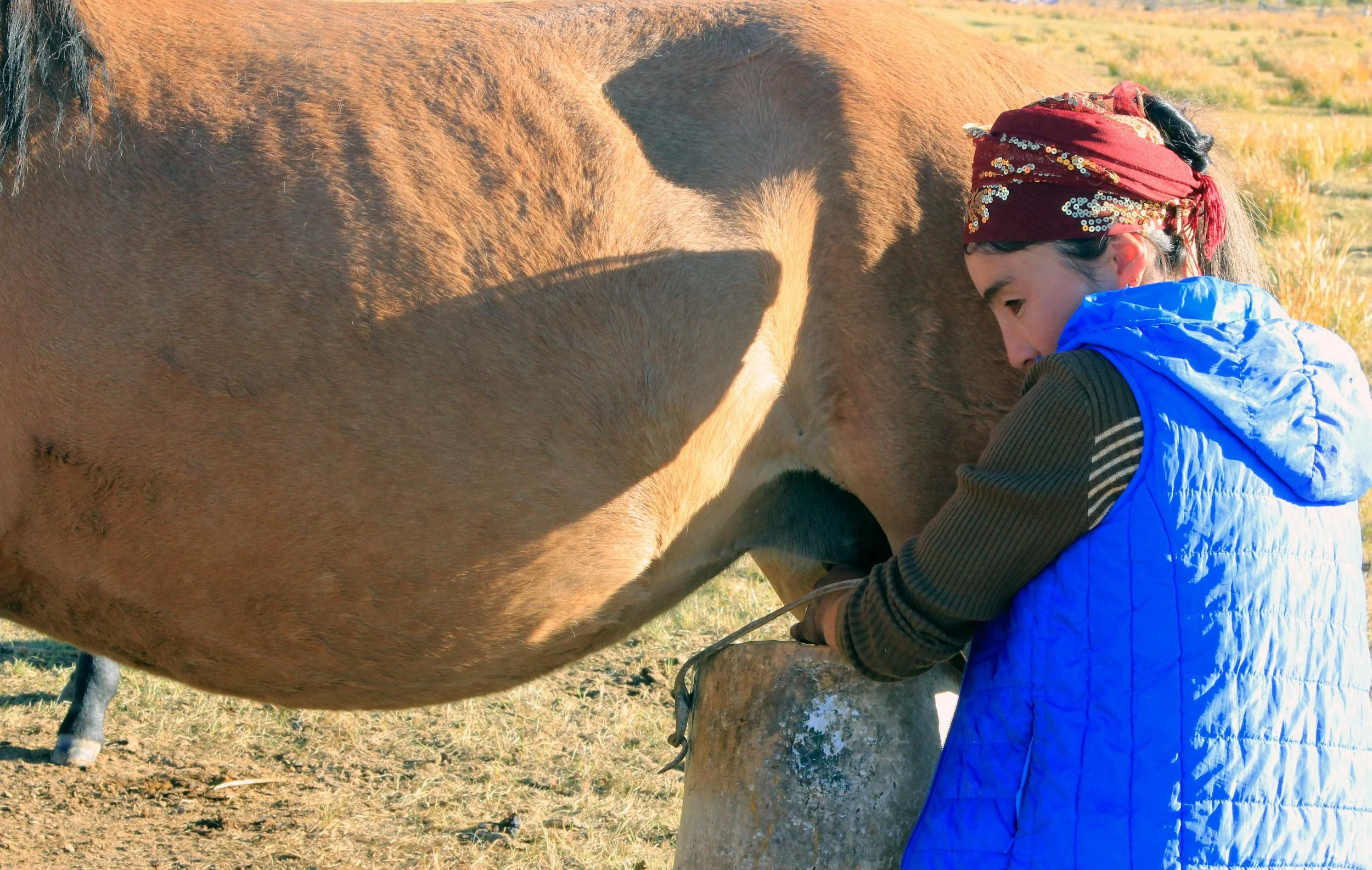
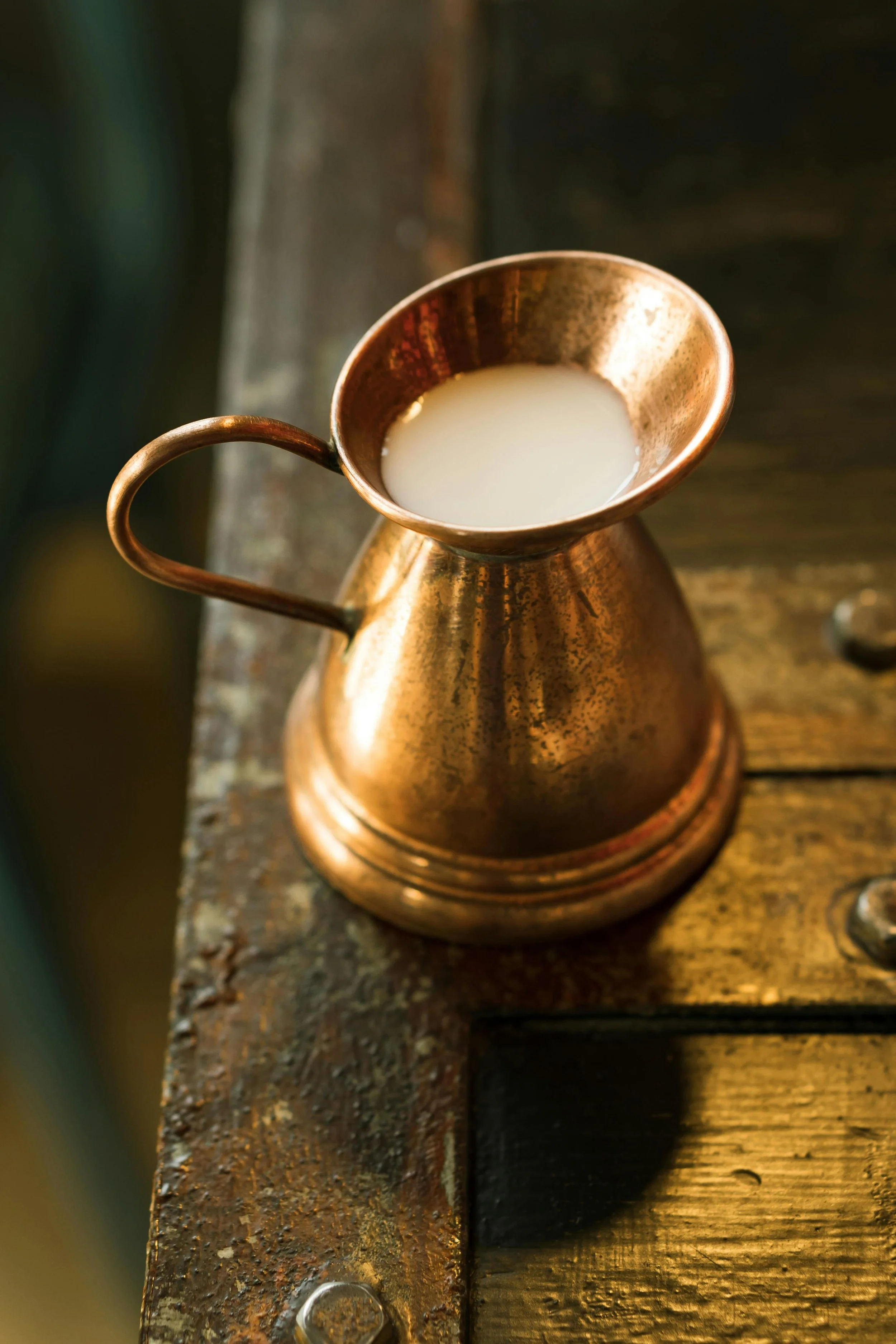
Kumis is fermented mare's milk. Bacteria and wild yeast do the work, converting lactose into lactic acid, producing somewhere between 0.7 and 3 percent alcohol depending on how long fermentation runs. Thinner than cow's milk. Sour. Faintly carbonated in the way something alive and still fermenting is carbonated.
The container it ferments in is called a saba. Horsehide. And the saba isn't just a vessel, it's an active ingredient. Years of use build up a bacterial community inside the leather that shapes what the kumis becomes. An old family saba produces something a brand new one physically cannot. The bag has memory in a microbial sense and that memory affects the taste.
Churning happens throughout the day. Not once. Repeatedly. Traditionally whoever walked past did a few strokes, guests included. Kids. Anyone passing through. More churning means faster fermentation. You want it young, drink it that day, there's something almost sweet in there behind the sour. Let it go longer and the sourness deepens and the alcohol pushes higher.
Women who make good kumis consistently have spent years learning to read it. The milk, the temperature, what the culture in the bag is doing on a given day, how close it is to the right point. None of that fits into a written recipe. It lives in hands and noses and accumulated judgment.
5,500 Years is A Long Time
Archaeological sites from the Botai culture in northern Kazakhstan push horse domestication and mare's milk use back roughly 5,500 years. The Scythians were drinking fermented mare's milk across the steppe from around 900 BC onward. Herodotus described steppe people churning mare's milk in the 5th century BC, a little puzzled by what he was seeing. That was kumis.
Genghis Khan's armies ran on it. Across the entire steppe empire, from China through to Eastern Europe, kumis showed up at celebrations and on campaigns and in ordinary daily life. Marco Polo encountered it and wrote about it with the kind of detail that comes from genuine surprise.
The bowl someone hands you in a Kyrgyz yurt right now sits in a line that runs back through all of that without interruption. Not a recreation. Not something that nearly died and got revived with government money. A drink that fit a way of living so well that it just kept going.
The Only Choice
Mares produce milk roughly May through October while nursing foals. Nomadic families had more of it than they could drink fresh before it spoiled. Fermentation was the answer, same as wine from surplus grapes, same as cheese from surplus cow's milk. The logic is identical everywhere humans had more perishable liquid than time to drink it.
Mild alcohol content helped preservation. Fermentation breaks down lactose, which mattered because lactose intolerance was common across steppe populations. The nutritional content is genuinely good, protein, B vitamins, live probiotic cultures. For people eating a limited diet through hard steppe winters, summer milk preserved through fermentation carried real nutritional weight.
Horses were everywhere. Every family had them. The relationship between these cultures and the horse was deep enough that using everything the animal produced was just practical thinking, not unusual. Mare's milk wasn't some exotic ingredient. It was what was available.
Bacteria Killer
Before antibiotics, Russian doctors in the 19th century started sending tuberculosis patients to treatment facilities on the Kazakh steppe where they drank kumis in large quantities as part of structured recovery. Not fringe practitioners. Mainstream medicine. Leo Tolstoy spent time at one of these facilities in 1862. Chekhov, who had TB himself, wrote about kumis treatment without dismissing it.
The probiotic content is real. The vitamins, B12 and C, are real. Patients arriving severely malnourished got genuine nutritional benefit from drinking it regularly. Whether kumis specifically targeted tuberculosis bacteria is a separate question from whether it helped people recover, and by the evidence it did help enough that the practice traveled from Kazakh folk tradition into Russian medical practice proper.
Recent research has confirmed probiotic value and antioxidant properties. The bacterial cultures vary enough between regions and individual bags that systematic study is genuinely messy. But the basic point that this is serious fermented food rather than just a cultural curiosity comes through clearly enough.
The story of Rudolf Storch makes the point more personally. A German prisoner of war, he ended up in Kazakhstan and was eventually expelled from the camp with a severe case of TB, written off as too ill to survive. A Kazakh family took him in and fed him saumal and kumis. There were no medications available. He recovered. He went back to Germany after the war and spent the rest of his life promoting mare's milk, eventually founding a horse farm to produce it. His son-in-law later built what became the largest mare's milk operation in Europe. A drink that nomadic families made from what their horses produced in summer kept a German man alive when postwar medicine couldn't, and then traveled back to Europe with him.
Kyrgyz And Kazakh. Not The Same.
Kumis belongs to cultures that stayed nomadic. That's why it's central to Kyrgyz and Kazakh food identity and peripheral to Uzbek and Tajik culture, which developed from settled agricultural traditions where horses and their milk weren't the center of the economy.
Kazakh kumis ferments longer as a general tendency. Stronger, more sour, more alcohol. It carries ceremonial weight at weddings, funerals, significant gatherings. Turning it down in a traditional Kazakh context is socially awkward in a way that's different from refusing other food or drink.
Kyrgyz kumis from mountain summer pasture tends lighter and slightly sweeter. Mares grazing high-altitude wildflower meadows produce milk with a different character than lowland animals and that difference comes through in the final product. Kumis from Song-Kol at 3,000 meters tastes different from kumis made in a valley. Not dramatically. But the difference is real and people who drink it regularly notice it immediately.
Turkmenistan has chal, fermented camel's milk, related in concept but a different animal and a different taste entirely. Mongolia has airag, effectively the same drink as kumis, the parallel development making sense when you consider the parallel nomadic horse cultures running across the steppe in both directions.
The Bottle In The Supermarket
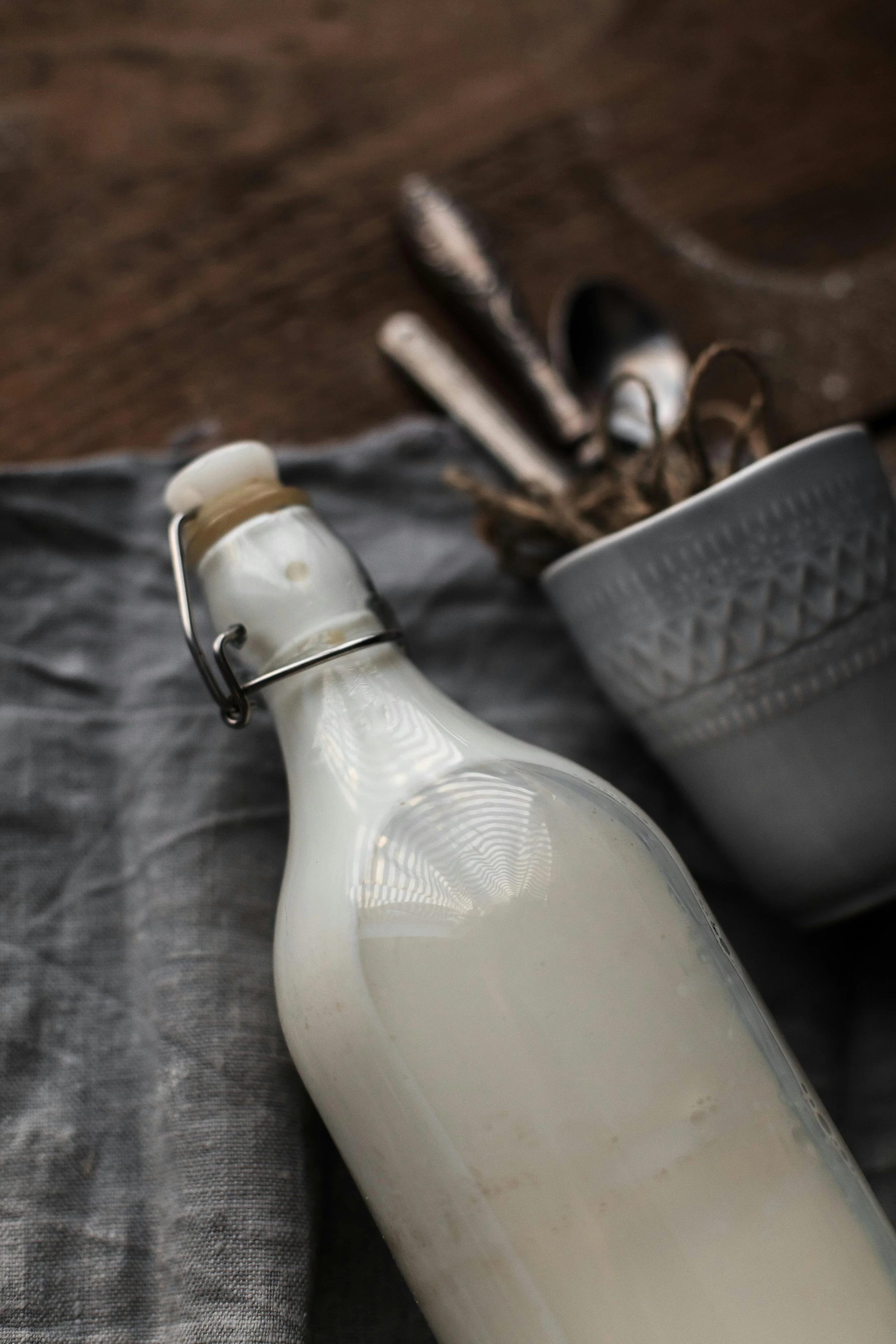
Bishkek supermarkets sell kumis in plastic bottles. Standardized cultures, facility production, consistent result. It tastes like kumis the way a supermarket tomato tastes like a tomato. The category is right. Something is missing.
What a family makes at a working summer camp, leather saba that's been in use for years, mares on specific mountain pasture, churned all day, drunk the same afternoon it hits the right fermentation point, is a genuinely different product. Not a snobbery point. Just what happens when something gets made in its original context versus optimized for shelf life and consistency.
Getting the real version has requirements. Summer only, because mares only produce milk seasonally. Kyrgyz mountain areas or Kazakh steppe, not a city restaurant. A family making it for themselves who offers you some, not a tourism operation running a kumis experience. Both are available. They are not the same.
Meaning Of The Bowl
Being offered kumis by a Kyrgyz or Kazakh family is not a gesture aimed at tourists. The offer carries the same logic as food hospitality anywhere, refusing it lands awkward, but here the specific drink signals something. That you're being treated as a guest worth honoring rather than someone who needed somewhere to sit for an hour.
Bowl, not glass. Drain it and you're saying you want more. Leave a small amount and you're done. Small etiquette but it matters for how the interaction feels to everyone in the room.
What you're sitting inside when you accept that bowl is something continuous across thousands of years in that landscape. The specific people are new. The gesture running through them is not. A plastic bottle from a city shop gets you the taste in approximate form. It doesn't get you that.