The Soul of Kyrgyzstan: Life with Horses
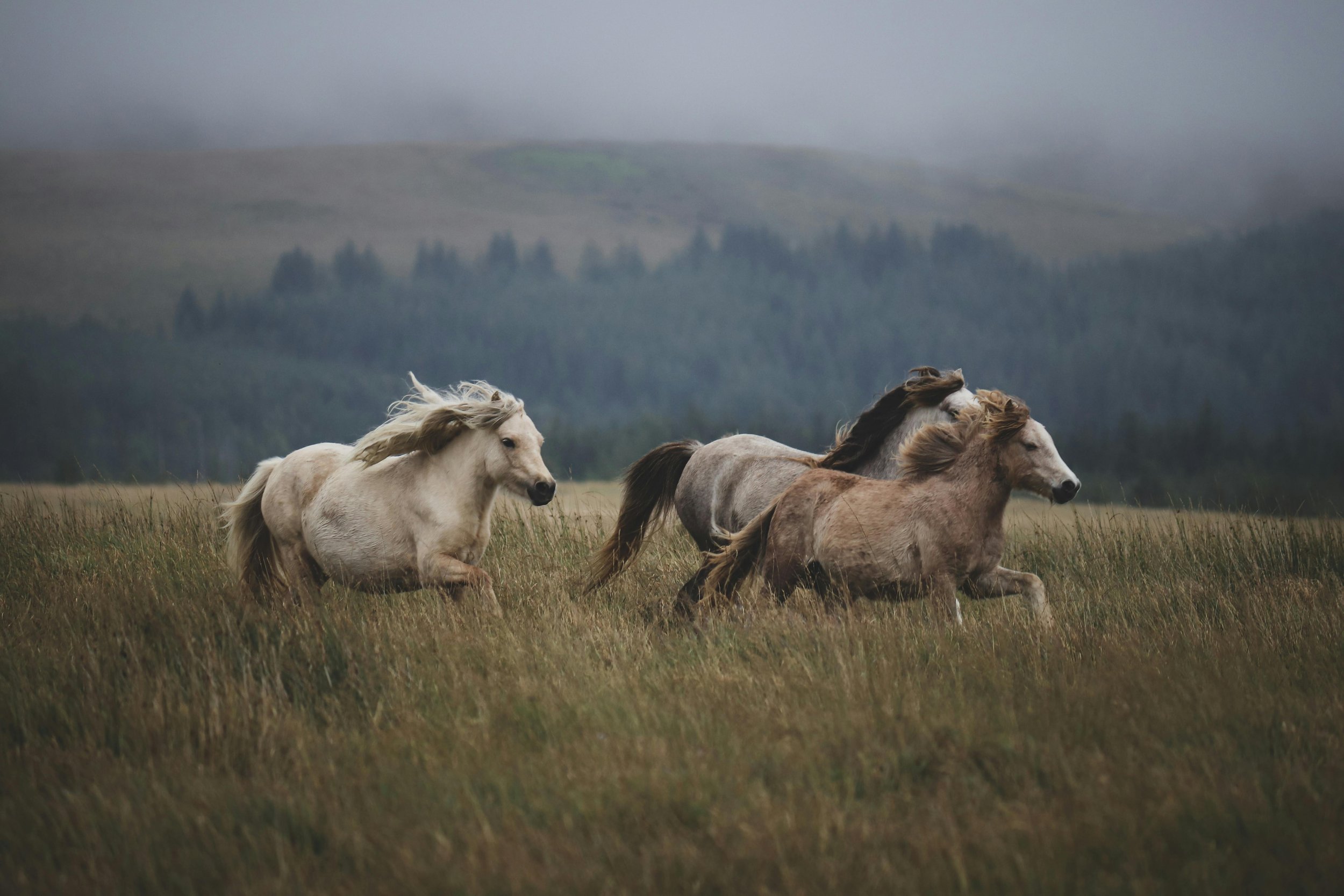
Walk through any village here and you'll spot three-year-olds on horseback. Sounds crazy but it's normal. Their tiny hands grip the reins while grandma stands nearby, not worried by the slightest. That's just how kids grow up in Kyrgyzstan.
Horses aren't pets here. They're not livestock either. The relationship is different, deeper maybe. You see it when an old herder talks about his mare and his whole face lights up. Or when teenagers race home from school on horseback, shouting and laughing with their friends. Horses show up at weddings, at funerals, at regular family dinners on Tuesday nights.
Travel anywhere in this country and horses are just there. In valleys so green it almost looks fake. Carrying herders up trails your car wouldn't survive. Racing across plains during festivals while crowds cheer on the sidelines.
Four Thousand Years of Partnership
The Kyrgyz horse has lived in these mountains for roughly 4,000 years. That's a seriously long time. Think about everything that's happened in human history during that span. Empires rose and collapsed. Borders got drawn and redrawn. But these horses? They just kept doing their thing in these exact mountains.
They adapted to conditions that would kill most horses. Brutal winters where temperatures drop way below freezing. Thin air at high altitudes. Rocky trails that require serious skill to navigate. The horses that survived passed on those traits to their offspring. Generation after generation.
Before modern times, horse ownership told you everything about a family's status. Lots of horses meant wealth and influence. It meant your family would probably make it through winter. Pretty simple equation really.
Head out to remote villages today and you'll find things haven't changed much. Herders still wake up before dawn to check their horses. They move between winter and summer pastures following routes their grandparents used. Kids race each other on horseback after school. Same traditions, different century.
Wings That Don't Need Feathers
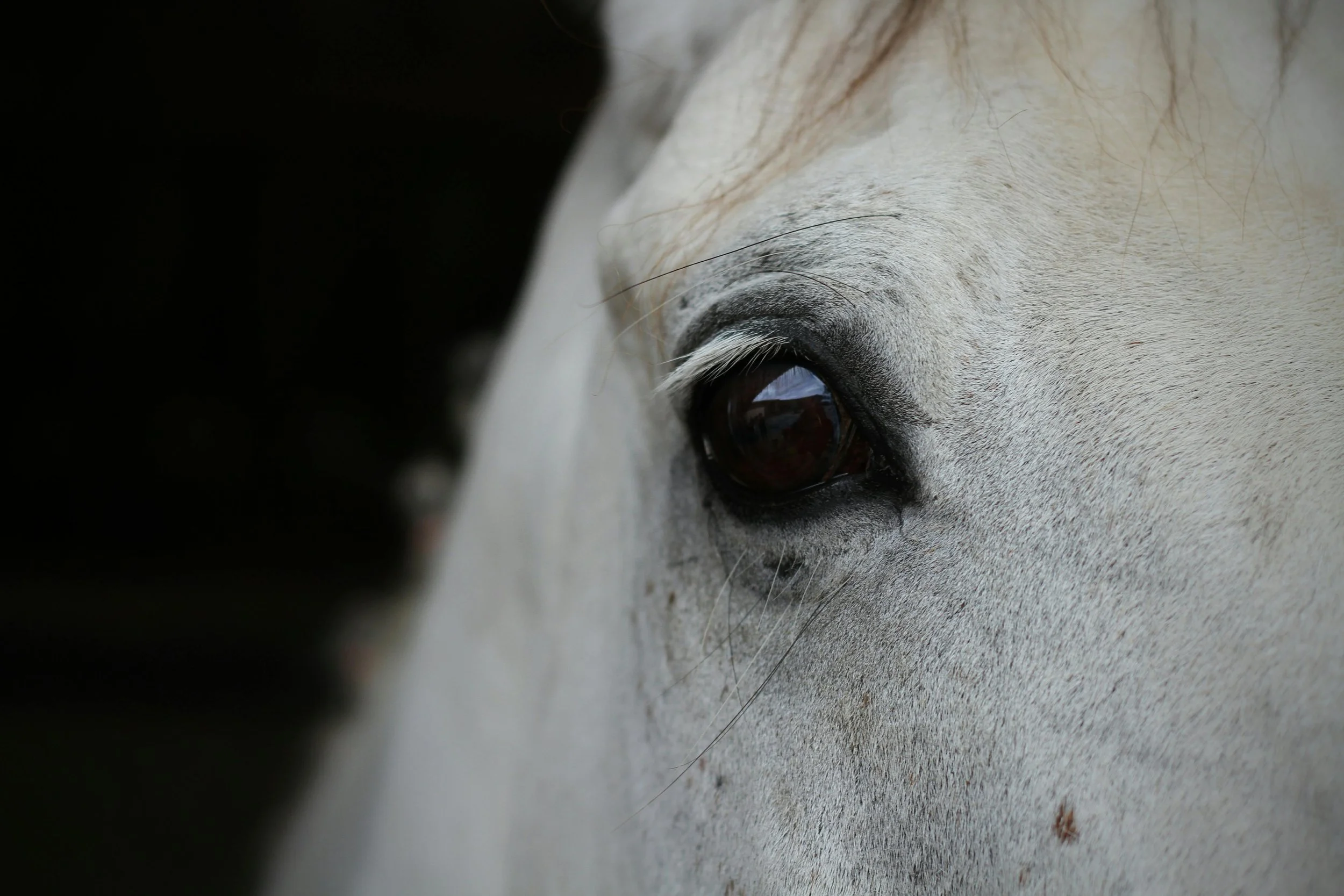
People here say "horses are man's wings" . Sounds poetic but kind of abstract until you experience it yourself. You're riding through a mountain pass, the valley drops away below you and the sky stretches forever in every direction. Then it clicks. You get what they mean.
The Epic of Manas tells this story better than I ever could. Manas had a horse named Akkula. They weren't just rider and mount. They were partners in the deepest sense. In the epic, losing your horse was literally worse than death. Every Kyrgyz kid knows these stories by heart. You can see how those stories shape the way people treat horses today.
There's another saying that if you only had one day left to live, you should spend half of it in the saddle. Spend any real time here and that won't sound excessive at all. Something happens when you're on horseback in these mountains. Hard to explain but it's more than just transportation.
Built for Surviving Here
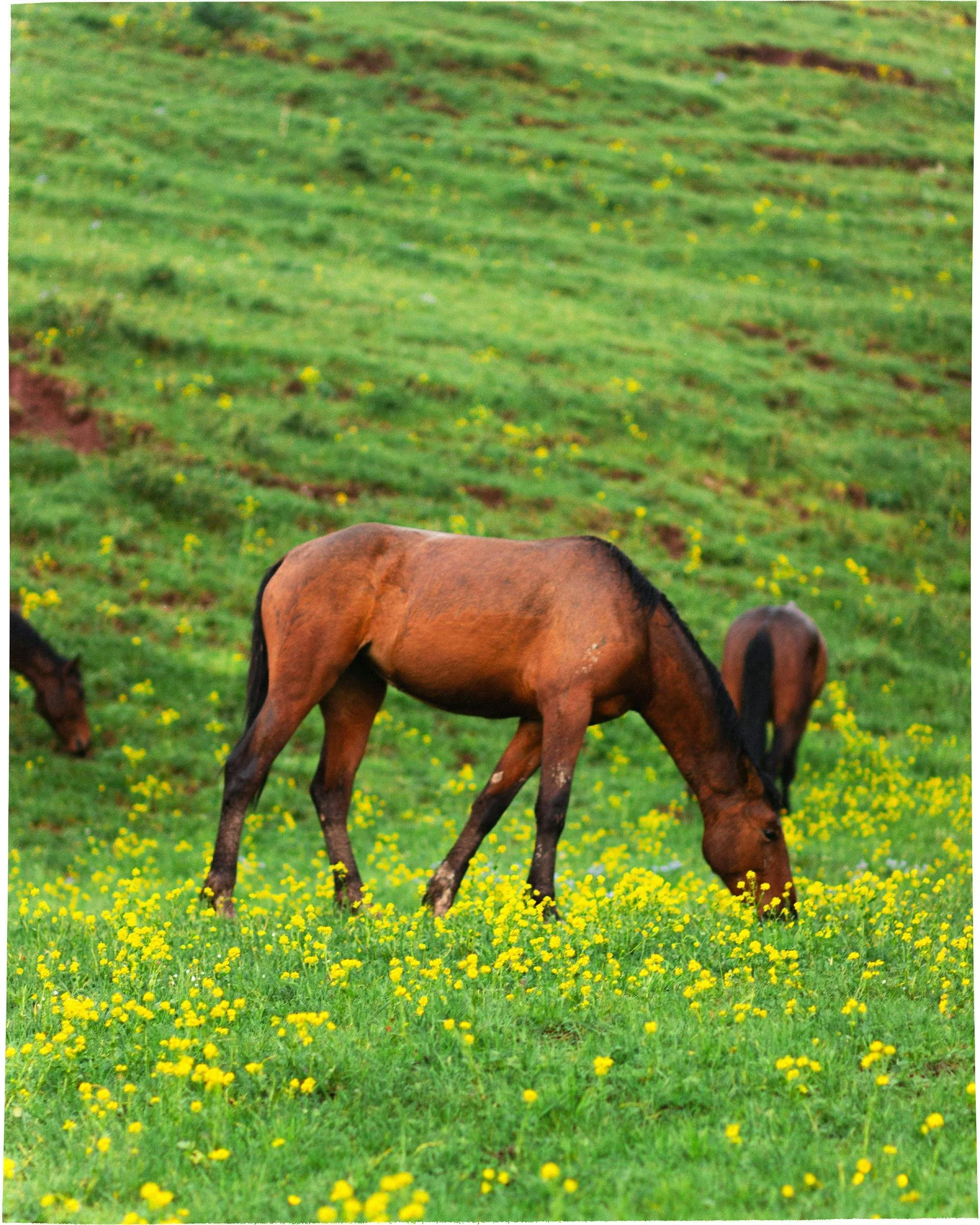
First-time visitors always comment on size. "Your horses are tiny!" Well yeah, compared to those massive breeds in European stables. But size isn't everything. Watch a Kyrgyz horse pick its way up a trail that's basically loose rocks at a forty-five degree angle. Or see them dig through snow in January to find grass. Suddenly their compact build makes perfect sense.
These horses have strong legs for climbing. Thick coats for brutal cold. They weren't bred for beauty contests. They were bred to survive in conditions that would kill softer breeds.
Soviet authorities completely misunderstood this. In the 1950s they started importing bigger Russian horses. Dons, Thoroughbreds, other impressive-looking breeds. They crossbred them with local horses, creating the Novokirgiz which got official recognition in 1956. By 1979 these hybrids made up over 53% of the country's horses. The traditional breed basically vanished from official records.
But mountain herders kept the old bloodlines alive. They maintained small herds in valleys too remote for bureaucrats to reach. Those big Soviet horses looked great but couldn't handle harsh winters or steep mountain terrain. Today if you want to see real Kyrgyz horses you need to go where those stubborn herders preserved them. High in the mountains where old ways never fully disappeared.
Festival Season Changes Everything
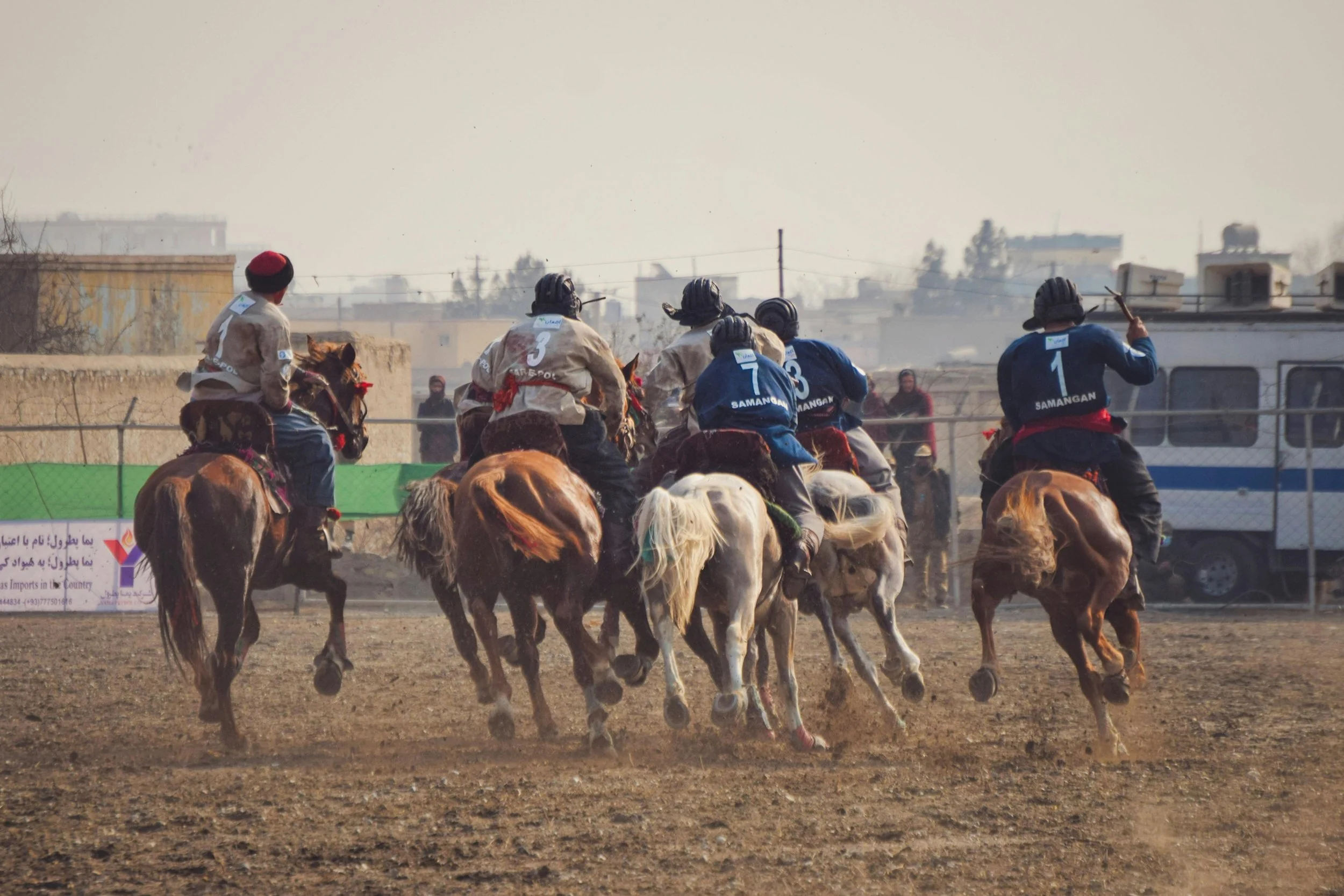
Time your visit during festival season and prepare yourself. The World Nomad Games happen every two years, drawing riders from across Central Asia and beyond. Even small village celebrations will show you things you've never imagined.
Kok Boru is absolute madness. Imagine rugby but on horseback and instead of a ball there's a goat carcass. Teams fight over it, trying to throw it into a goal while opponents try to steal it. Horses sweating and breathing hard. Riders yelling. Crowds losing their minds. It's intense and slightly dangerous if you stand too close.
Kyz Kuumai makes everyone smile. A bride races her groom on horseback. She gets the best horse in the family's herd. If the groom catches her before the finish line, he's proven himself worthy. If he doesn't? She chases him back while hitting him with a whip. Everyone laughs because it's playful but there's a serious point about respect in marriage.
Oodarysh involves wrestling while on moving horses. Two riders try pulling each other off while controlling their mounts. It takes years of practice to compete. Watching someone who started training as a child makes it look easier than it actually is.
These games preserve skills that kept people alive for millennia. Skills passed down through families because losing them meant losing part of what made life possible here.
Food Culture and Horses
Here's where things get uncomfortable for some visitors. Horse meat is part of the diet here. Just stating that plainly. If that's a problem for you, skip ahead.
Mare's milk gets fermented into kumis. It's slightly sour with a bit of alcohol. The first taste is genuinely weird. The second taste is still weird. But give it a few days and you'll find yourself asking for more. People have made it the same way for thousands of years. Drinking kumis in a yurt with herders creates memories you can't really explain to friends back home.
Beshbarmak translates to "five fingers" because you eat it with your hands. Boiled horse meat served over noodles. When prepared properly it's actually delicious. Kazy is sausage made from horse ribs and fat, reserved for weddings and major celebrations.
Understanding context matters here. Horses provide everything in these mountains. Transportation, companionship, sport, survival itself. Including them in important meals shows gratitude, not disrespect. It honors their role in sustaining life. When someone serves you these dishes they're sharing their most valued food.
Conservation Crisis
The traditional Kyrgyz horse faces extinction. Only 3,000 to 5,000 pure-bred horses remain, scattered in remote mountain areas. Compare that to the late 1800s when approximately two million lived in what's now Kyrgyzstan. Historically the broader range from Urals to Altai supported maybe four million horses.
Those statistics hurt. Each lost horse means lost knowledge too. Breeding practices refined over generations. Understanding which bloodlines produce the most sure-footed climbers. Reading subtle behavioral cues. Old herders carry this knowledge in their memories. When they pass away, that knowledge disappears with them.
Some organizations are fighting back. Fondation Kyrgyz Aty, Golden Hoof Collaborative and Slow Food Presidium all work on preservation. December 2020 brought positive news when the Kyrgyz Mountain horse received official recognition as a distinct breed. Small victories that matter tremendously for long-term survival.
Tourist interest actually helps conservation efforts. When visitors want to ride traditional horses, ask questions and share their experiences, it demonstrates value. It reminds people this heritage deserves protection.
Living Tradition Not Museum Piece
What makes this special is it's happening right now, today. Somewhere above Naryn a child just learned to ride. Yesterday a family moved their yurt to summer pasture on horseback. Next week there's a festival where grandsons compete in games their grandfathers played.
You can participate instead of just observing. Take a multi-day horse trek into the mountains. Sleep in a yurt where stars are so bright you struggle to sleep. Stay with a herding family. Watch a five-year-old confidently handle horses that would intimidate most adults. Attend a festival. Stand in the crowd feeling ground shake as horses thunder past.
Ride through a mountain pass at sunrise when everything glows purple and gold. Try kumis despite knowing it'll taste strange. Watch an old man discuss his horses and witness what love looks like across language barriers.
Come Experience It Yourself
Bishkek has a statue of Manas on Akkula in the city center. It's impressive. But the real story isn't captured in bronze sculptures. It's in villages and valleys and high pastures where horses still run free. Where children learn to ride exactly how their ancestors did generations ago.
The trails exist. The horses are ready. Something waits in those mountains you won't find elsewhere. A partnership between humans and animals that survived wars, Soviet collectivization, modernization and everything else history threw at it. Somehow it kept its essential character intact.
The mountains are waiting.